






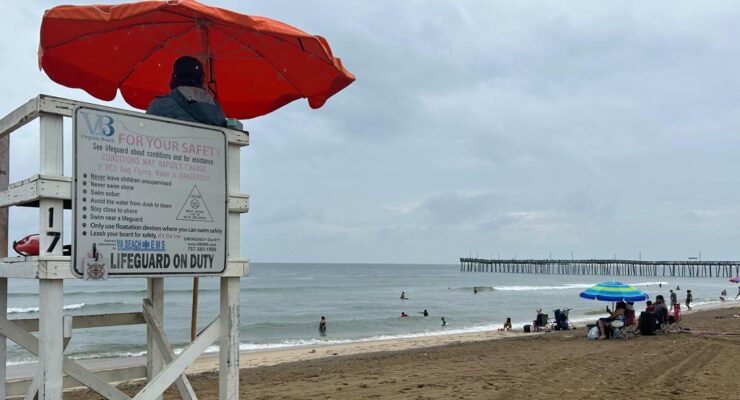
There is absolutely nothing quite like the excitement of planning a family beach getaway. After months of dealing with the hectic routine of an urban center like North York, escaping to the warm sand and rolling waves of a coastal destination sounds like absolute paradise. You can already see the kids building sandcastles while you finally catch up on your favorite book.
But as any parent knows, traveling with children means you always have to expect the unexpected. Nature is beautifully unpredictable, and switching from the city sidewalk to the shifting ocean tides introduces a completely unique set of safety risks. Families planning time along the Southern California coast may want to consider CPR Training in Long Beach before spending extended time around beaches and waterfront areas. Learning how to respond to choking, breathing emergencies, injuries, or cardiac incidents can make parents better prepared if something unexpected happens during a trip.
Let’s dive into the essential safety steps every family needs to take before dipping their toes into the ocean.
Mastering the Basics of Ocean Water Awareness
The ocean is a completely different beast compared to a backyard swimming pool or a calm community splash pad. Even strong swimmers can quickly get overwhelmed by sudden waves and shifting undercurrents. Before you even set up your beach umbrella, you need to talk to your kids about water boundaries.
The single biggest hidden hazard on any beach is a rip current. These are powerful, narrow channels of fast-moving water that flow from the shore directly back into the deep ocean. If a family member gets caught in one, the natural instinct is to panic and swim directly back to the beach against the current. This leads to rapid exhaustion and drowning.
Instead, teach your family the “flip, float, and follow” rule. Flip onto your back, float to conserve your energy, and swim parallel to the shoreline until you escape the pull of the current. Always choose beaches that are actively patrolled by certified lifeguards, and keep your eyes on your children at all times.
Beat the Heat: Smart Sun Safety for the Whole Family
A severe sunburn can ruin a family vacation faster than a rainy afternoon. When you are caught up in the fun of throwing a frisbee or bodyboarding, you rarely notice your skin cooking under the intense coastal sun.
- The SPF Rule: Apply a broad-spectrum, water-resistant sunscreen with an SPF of at least 30 at least twenty minutes before stepping outside.
- The Timer Check: Reapply sunscreen every two hours, or immediately after your kids come running out of the water and towel off.
- Hydration Focus: Pack an insulated cooler filled with plenty of fresh water and electrolyte-heavy drinks. Dehydration and heat exhaustion sneak up incredibly fast on children, leading to dizziness, headaches, and sudden nausea.
Packing a Proper Travel First Aid Kit
You can’t always count on finding a convenience store right when you need one, especially if you are exploring a secluded cove or a state park beach. A basic zippered pouch packed inside your daily beach bag saves you a massive amount of stress.
Your coastal travel kit should feature multiple sizes of water-resistant adhesive bandages, sterile gauze pads, antiseptic wipes, and medical tape for minor cuts from sharp seashells. Don’t forget to pack a high-quality pair of tweezers to safely remove stubborn splinters from wooden boardwalks, along with a soothing bottle of aloe vera gel for accidental overexposure to the sun. Having these simple tools readily accessible keeps minor issues from derailing your afternoon.
Why Parents Are the Ultimate First Responders
When a medical crisis happens on a crowded beach or a remote stretch of coastline, every single second counts. If a child swallows water or chokes on a snack at the shoreline, you cannot afford to stand around frantically looking for a lifeguard tower or waiting for an ambulance to navigate through heavy holiday traffic.
Taking a comprehensive safety course before you load up the car or board your flight gives you the ultimate travel asset: peace of mind. You learn how to identify the subtle signs of secondary drowning, how to perform proper pediatric CPR, and how to stay perfectly calm under immense pressure. It shifts your mindset from a state of anxious worry to one of absolute readiness.
If you are looking for first aid training near Steeles Avenue West, Yonge Street, or other areas close to our facility, then you may reach out to Coast2Coast First Aid & Aquatics in that area. For more information, course schedules, and travel safety articles just like this one, you can visit us directly at.
Frequently Asked Questions
How can I spot a rip current from the beach? Look out for a noticeable break in the incoming wave pattern, a channel of churning or choppy water, a distinct difference in water color compared to the surrounding area, or lines of foam and seaweed moving steadily out to sea.
What should I do if my child gets stung by a jellyfish? Get the child out of the water immediately. Rinse the affected area thoroughly with ocean saltwater, not fresh water, which can worsen the pain. Use tweezers to carefully remove any visible tentacles, and soak the skin in hot water if available to help neutralize the venom.
Is swimming in the ocean safe for toddlers? Toddlers should only play in the shallowest water at the very edge of the shore, and they must always wear a properly fitted, coast-guard-approved life jacket. An adult should maintain constant physical contact with the toddler, as sudden waves can easily knock them off their feet.
How long does standard family first aid training take? Through modern Blended Learning formats, you can easily complete the core reading modules online at your own pace over a few evenings. After that, you only need to attend a single 8-hour practical session to master the physical life-saving skills.
Does a standard emergency certificate expire? Yes, standard first aid and CPR certificates are valid for exactly three years. Taking a quick recertification course before that date hits ensures your life-saving skills stay completely sharp for all your future family adventures.




 Events


