






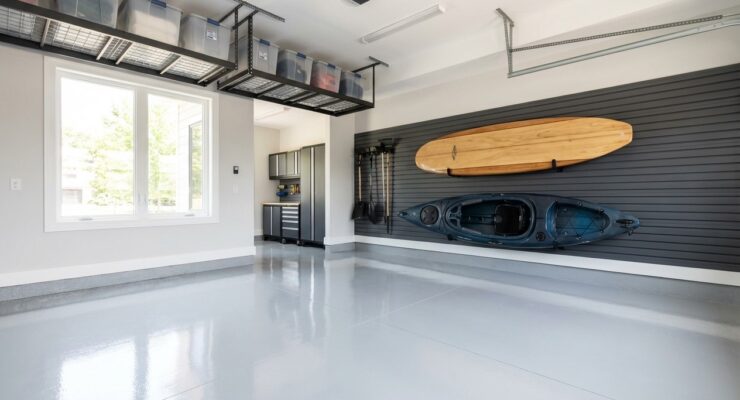
The four best garage hacks for sand-free coastal cars include installing vertical storage systems, upgrading to interlocking floor tiles, setting up a dedicated wash-and-detail zone, and utilizing proper maintenance lighting.
Virginia Beach drivers know the toll that oceanfront humidity and fine grit take on daily drivers, surf-trip trucks, and classic weekend cruisers.
Implementing these smart setup strategies stops the relentless accumulation of coastal grime and keeps your vehicle cleaner without requiring a massive renovation budget.
1. Maximize Space With Vertical Storage
In Virginia Beach, the average garage is often a crowded mix of vehicles, kayak paddles, and beach gear. This clutter quickly swallows floor space, making it difficult to navigate your car or inspect it for salt and sand buildup after a coastal run.
Going vertical solves this by utilizing wall-mounted slatwall panels and overhead racks to move bulky items off the ground.
A surfboard or set of paddles can hang neatly above, giving your car the space it deserves.
For households with limited garage room, installing a garage lift from HeavyLift Direct lets you safely park a weekend convertible above a daily driver to reclaim valuable square footage.
For gear-heavy households, the ceiling is a prime resource. When moving heavier items into the attic space above the garage, reliable access is essential.
Integrating Inventive Garage’s attic stairs allows for a safe, easy transition, turning dead overhead space into a functional storage zone that clears your main floor completely.
A clutter-free garage is far more pleasant to work in and significantly easier to keep clean, a vital advantage when fighting the constant battle against tracked-in sand and coastal grime.
2. Protect Your Vehicle From Coastal Wear

Salt air is patient and works consistently to seep into paint clearcoat, trim edges, rubber door seals, and exposed metal surfaces on the undercarriage.
Virginia Beach car owners who live near the oceanfront deal with a level of corrosion risk that inland drivers simply never face.
The good news is that a few practical and low-cost upgrades go a long way toward protecting cars from salt air year-round. Using a breathable indoor car cover for convertibles or classic cars limits salt air exposure without trapping moisture underneath.
Avoid non-breathable plastic covers because they can seal in humidity and accelerate the exact damage you are trying to prevent.
Upgrading your garage flooring with interlocking tiles or roll-out rubber mats helps trap sand before it migrates under your vehicle and scratches paint.
Managing moisture actively with a simple portable dehumidifier in a sealed garage can meaningfully reduce the humidity that accelerates rust.
Developing a simple habit of closing the garage door promptly after every beach trip minimizes unnecessary atmospheric exposure.
| Warning/Important: Don’t underestimate “hidden” salt damage. Leaving your garage door open after a coastal trip invites corrosive humidity to settle on every surface, including your car’s delicate electronics and undercarriage components. |
3. Set Up a Simple Wash-and-Detail Zone
This is one of the most effective home garage upgrades you can make as a coastal car owner, and it does not require a contractor or a renovation budget. A dedicated rinse-and-detail zone is essentially a handful of items placed thoughtfully near the garage entrance.
This ensures that rinsing down your car after a beach run takes just five minutes instead of becoming a postponed chore.
- A wall-mounted hose reel positioned near the garage entrance keeps the hose off the floor and ready to use.
- A pegboard or shelf section for microfiber cloths and a dedicated wheel brush ensure everything remains within reach.
- Drain-friendly flooring in the rinse area manages water runoff and keeps it from pooling under the car.
- A utility cart keeps your wash bucket and supplies organized and highly portable.
The behavioral benefit here is real because convenient access means you will actually perform the task consistently.
Rinsing the undercarriage and wiping down the door sills after every beach outing provides the single most effective defense against long-term salt damage.
Think of this dedicated space as the working heart of your coastal car care routine.
4. Make Maintenance Easier and Safer
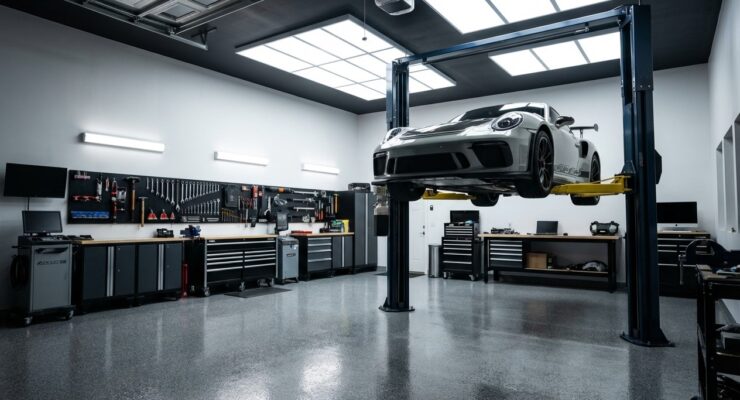
For Virginia Beach car owners who take their vehicles seriously, a more capable maintenance setup pays for itself in both time and peace of mind.
Whether you are maintaining a daily driver that handles every beach errand or a hobby build that lives in the garage between projects, specialized gear is invaluable. Having a proper setup ensures you can effectively combat the sand and salt that collect out of sight.
Start with the basics by adding high-lumen LED shop lights to eliminate the shadows that make inspections frustrating.
A quality floor creeper and a reliable hydraulic floor jack give you proper access to the undercarriage for thorough cleaning.
An organized tool wall utilizing a pegboard or magnetic strips keeps everything accessible and off the floor to protect your workspace. For homeowners building a more serious setup, getting the vehicle fully off the ground is the next logical progression.
Working under a properly lifted car is cleaner, safer, and much more comfortable for anything beyond a quick fluid check.
It also opens the door to parking a second vehicle underneath in a tandem configuration to maximize your enclosed space.
| Pro Tip: High-lumen LED lighting is a game-changer for coastal maintenance. Proper illumination reveals salt crusting and sand buildup in hard-to-reach areas that standard dim garage bulbs often leave in the shadows. |
The Bottom Line
Your garage is a critical part of your coastal home setup, whether you have thought about it that way or not.
If you are driving your vehicles in Virginia Beach down through the Pungo fields with the windows down, they are working harder than vehicles parked inland. They deserve a home environment that works harder to keep them protected.
You do not have to tackle all four of these functional upgrades at once.
Start by clearing the vertical space and getting the floor fully organized to reclaim your square footage. Set up a basic rinse station, and then build toward a more capable maintenance zone as your budget allows.
The goal is simple and highly achievable with consistent effort.
You want a garage that actually protects and supports the vehicles you enjoy driving, instead of one you pull out of as fast as possible.
In a city where the drive to the oceanfront is quick and scenic, maintaining a functional garage is a goal worth prioritizing.




 Events


