






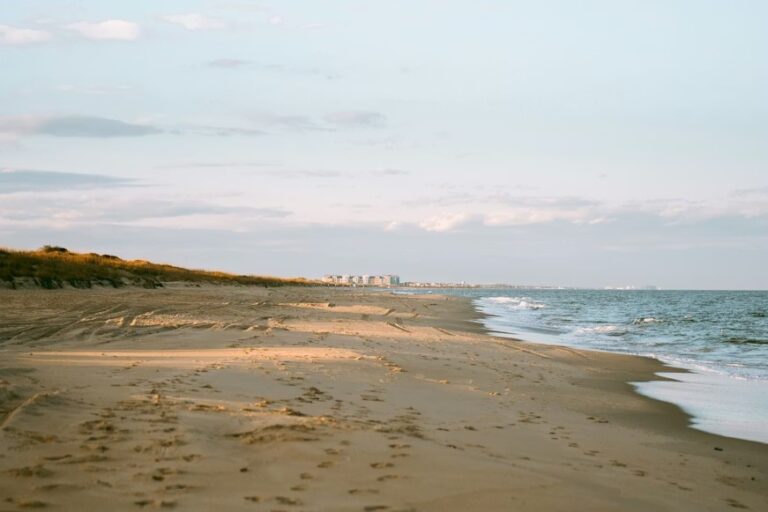
According to Weather Spark, the wetter season in Virginia Beach lasts from May 22 to August 28, with a greater than 33% chance of a given day being a wet one. While some precipitation can be nice every once in a while, it can have adverse effects.
For example, there are often beach advisories after rain in the area. Why does this happen, and what precautions can you and your loved ones take?
Why Heavy Rain Often Triggers Beach Advisories
Beach advisories are commonly issued after storms in Virginia Beach since rainfall acts like a “flush system.” The heavy rain pushes large amounts of stormwater through drainage systems and outfalls, and this carries pollutants straight into the ocean.
This runoff can include:
- Animal waste
- Trash
- Oils
- Fertilizers
- Sewage overflows
This sudden influx can overwhelm natural dilation, and water quality can drop quickly after storms. Contamination levels are most likely elevated during this time without a high-performance water filtration system like Bioprocess H2O, so health officials often warn people not to go swimming for a few days after heavy rain.
Stormwater Runoff and the Spike in Bacteria Levels
One of the biggest concerns regarding advisories is a spike in bacteria, especially enterococci (fecal contamination). When rain washes pollutants into coastal waters, then bacteria levels can exceed safe thresholds.
Sources of bacteria can be:
- Wildlife and pet waste
- Agricultural runoff
- Sewer leaks or overflows
- Urban debris washed from streets and yards
The good news is that the bacteria aren’t always harmful themselves. However, they can signal the possible presence of disease-causing organisms. These can lead to things like gastrointestinal illness, skin infections, or respiratory issues.
Testing Timelines and Why Advisories Can Lag Behind Rain
Unfortunately, beach advisories don’t always appear immediately after rainfall. In Virginia Beach, officials will collect and test water samples, and the results typically aren’t available until a day later.
This means that contaminated water may already be present before you hear about a beach advisory (they usually reflect conditions from the previous day). Also, follow-up testing is needed before lifting warnings.
In this area, most advisories last at least 24 hours. However, they may continue until bacteria levels fall back within safe limits.
How to Check Conditions and Stay Safe Before Swimming
This information may have you concerned, but it’s easy to stay safe if you take simple precautions before exploring Virginia Beach. The following steps can help:
- Review local health department beach monitoring maps and updates
- Look for posted warning signs along the shore
- Avoid swimming near storm drains or murky runoff areas
- Wait 1-3 days after heavy rain before going into the water
Picking up simple habits can also reduce your risk, such as not swallowing water and avoiding swimming with open cuts.
Stay Safe in Virginia Beach
Swimming in Virginia Beach can be fun, but proceed with caution if it’s rained recently, especially if there was a storm. Heavy rainfall can cause a spike in bacteria levels, and this can have adverse effects on your health. Keep an eye out for beach advisories to stay on the safe side.
Check out our other articles to learn more about this city.



 Events


