






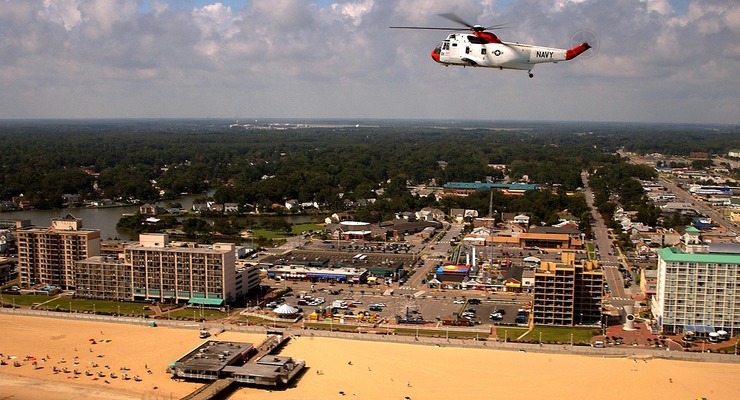
According to the latest figures published on the government’s City of Virginia Beach website, Virginia Beach welcomed 14.3 million visitors in 2024. And the visitor spending hit a massive $2.6 billion.
Virginia Beach’s waterfront and nearby districts are undergoing rapid growth, fueled by record-breaking tourism, year-round lifestyle and entertainment experiences, and large-scale development initiatives.
Commercial real estate law sits at the center of the development. In Virginia Beach, it shapes how land is approved, financed, and transformed.
Commercial Properties Must Comply With Zoning and Land Use Laws
First, let’s talk about zoning laws. They create the blueprint for every hotel tower, restaurant, and entertainment venue near the shore in Virginia Beach.
According to the City of Virginia Beach Planning Department, rezoning and conditional use permits are often required when developers shift properties from low-density uses to mixed-use or resort-focused projects.
Public hearings and planning commission reviews give residents and officials a voice in shaping density, height, and traffic flow. Strategic legal guidance helps developers align proposals with the Comprehensive Plan while avoiding delays that can derail time-sensitive investments.
Careful compliance also protects long-term property values in a highly visible, tourism-driven corridor.
Development Agreements Define Virginia Beach’s Waterfront Projects
Large waterfront projects rely on detailed agreements between private developers and municipal leaders. Incentives, infrastructure improvements, and public-access features must be negotiated and documented with precision.
Coverage from The Tidewater News discusses the continued evolution of the Oceanfront area, including recent projects like Atlantic Park, which is adding new attractions and amenities to the area.
Developments of that scale require coordinated contracts addressing land acquisition, phased construction, financing, and shared public infrastructure. Key provisions of agreements often include:
- Easements for utilities and pedestrian access
- Infrastructure cost-sharing arrangements
- Performance benchmarks tied to tax incentives
Projects of this scale involve layered agreements covering land acquisition, infrastructure obligations, and long-term revenue structures. Developers often work with a real estate lawyer for commercial properties to structure these deals, navigate municipal requirements, and ensure contracts align with both local regulations and investor expectations.
Environmental Regulations Shape Coastal Construction
Waterfront development brings heightened environmental scrutiny. Floodplain regulations, stormwater management standards, and shoreline stabilization rules directly influence architectural design and engineering plans.
Virginia Beach properties often sit within special flood hazard areas, making FEMA compliance and local resilience standards essential. Developers must secure permits addressing wetlands, drainage systems, and erosion control before vertical construction begins.
Proactive due diligence limits surprises during inspections and financing reviews.
Leasing and Financing Structures Influence Market Growth
Record tourism spending continues to drive retail and hospitality demand in Virginia Beach. Strong visitor numbers translate into higher foot traffic for restaurants, experiential venues, and boutique retailers.
Lease agreements in this environment often include percentage-rent clauses and co-tenancy provisions tailored to seasonal fluctuations. Financing documents also reflect market dynamics, with lenders scrutinizing occupancy projections and revenue streams tied to tourism cycles.
Strategic Planning Sustains Virginia Beach’s Booming Waterfront
Virginia Beach’s booming waterfront reflects more than impressive visitor counts and skyline changes. Zoning approvals, environmental safeguards, development agreements, and carefully negotiated leases form the legal backbone of every successful project.
Developers and business owners who understand the legal landscape are better positioned to capitalize on continued growth.
Was this article of interest? If so, take a look at our other insightful content!




 Events


