






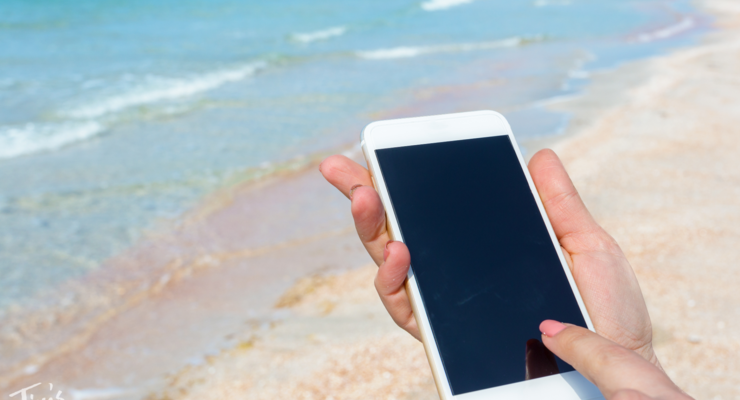
Beach vacations often mean you constantly use your phone, whether that’s for maps, bookings, taking photos, or messaging people from back home. However, crowded beaches and shared Wi-Fi connections have become the prime environment for cybercriminals who are now aware of the fact that stealing your data becomes much easier when you’re away from home.
That said, there’s no reason to panic. With a few simple steps, you can immensely reduce your risks. From securing your phone before leaving your home to avoiding suspicious connections at the beach, knowing how these threats work is what ultimately prevents travel disruptions.
Why Mobile Security Matters at the Beach
We all know how beach destinations often attract large crowds, which means there are innumerable chances for physical device theft and cyberattacks. People sometimes leave their devices unattended when they go for a swim or grab a drink. Even a few minutes with your device can mean the attacker gains access to your data or installs malware.
Then there are public Wi-Fi hacking risks, including the interception of network traffic, which often allows someone to monitor the traffic coming to and leaving your phone.
Also, be wary of fake hotspots with names similar to legitimate networks you trust. The information on your phone is invaluable because it contains banking information, passwords, and other credentials.
Public Wi-Fi Risks and Social Media Threats
As mentioned earlier, not every Wi-Fi connection you find is legitimate. A hacker can easily create a fake hotspot to mimic the hotel name or the beach network. As soon as you connect, your data becomes exposed in real time. That being said, even legitimate networks sometimes lack adequate encryption, making them easy to monitor or hack.
So, travel exposes you to a higher risk of account takeover as you log in to many of the applications on your phone. One of the prime targets is social media accounts, as they contain various types of personal data and can be used to reach your friends and family. More often than not, they are used to spread scams. A scammer can even hack your Snapchat account, which can compromise your reputation and make people around you fall victim to the scam.
Unusual login alerts, strange messages sent from your account, and sudden password resets require you to act immediately. It would help reduce damage and regain control of the account before more data is leaked.
How to Secure Your Phone Before and During Your Trip
It is no secret that one of the best tips for smartphone security while traveling is to focus on the strengths of your passwords. Weak or reused ones present the easiest entry point for anyone. So, before you travel, check your accounts and change your credentials, but don’t use the same password for all your accounts.
We recommend using unique passwords for every account, integrating at least 12 mixed characters, and using two-factor authentication (2FA) for important apps.
Moreover, don’t underestimate the vulnerabilities that outdated software introduces. Keep your phone secure through these steps:
- Install the most recent operating system and application updates
- Turn on automatic updates
- Make sure you have encryption and a screen lock
- Disable Bluetooth and file sharing unless you’re using them
While these steps are basic, they go a long way in limiting unauthorized access to any aspect of your device.
Safe Internet and App Usage on Vacation
Many phishing scams targeting users aim to exploit the connections. Many available studies on the matter show that, due to blind trust, travelers fall victim to hacks through public Wi-Fi connections and fake hotspots.
Hence, to reduce your exposure while on the beach, you can follow four main steps:
- Disable auto-connect on your phone so you don’t join any connections without your knowledge
- Check the network name with the staff before connecting
- Avoid opening any sensitive information, like your bank application
- If you need to access highly personal information, use your mobile data or a VPN
Also, limit your oversharing while on the trip. Many applications silently collect information, such as your location or data, often due to permissions you forgot to check. If left unchecked, it can expose your location data and sensitive identifiers to tracking and profiling.
Traveling also raises the risks of phishing and spoofing, as cybercriminals often target tourists with fake booking websites or login pages. In a recent 2025 Forbes piece, it was discovered that 1 in 33 travel-related domains were flagged as malicious.
What to Do If Your Data Is Compromised
Sometimes, even with data theft prevention while traveling, you might accidentally click something that infects your phone. In such a situation, you need to act immediately to reduce the damage.
First of all, lock your phone or wipe everything off of it remotely. You can use Find My iPhone or Find My Device. Then, change all passwords for your emails, social media, and banking applications. Always start with your primary email account. It’s also critical to reset your 2FA everywhere. Lastly, log out of any unknown sessions you find in the settings.
Continue to monitor your accounts for unusual activity, including bank transactions, login alerts, and messages sent. If any financial data may be exposed, call your bank and place fraud alerts or temporary holds on transactions.
Conclusion
Mobile security at the beach relies on awareness and a few consistent habits. The more you tap into apps and use public Wi-Fi in crowded places, the more you expose yourself, but most of the risks can be managed with common-sense precautions.
Staying vigilant and responding quickly when things go wrong can limit the damage. You can enjoy your vacation while protecting your personal and financial information by following a few guidelines.




 Events


