






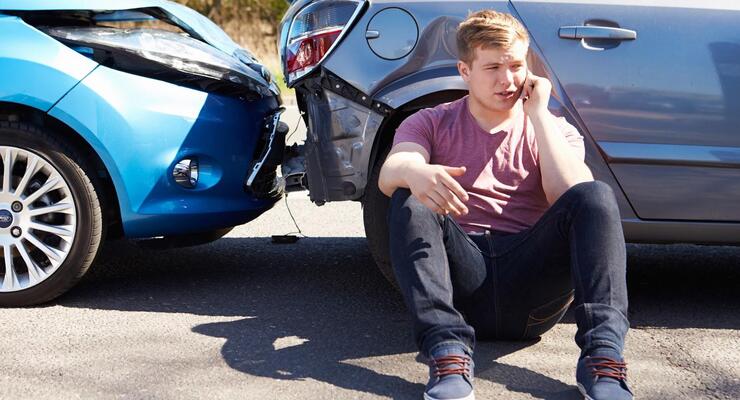
Picture the perfect Virginia Beach vacation: sun-drenched sand, the sound of the Atlantic, and the freedom of the open road. But that idyllic image can be disrupted in an instant by the jolt of a fender bender. While no one plans for a car accident, knowing exactly what to do can turn a potential vacation-ruining disaster into a manageable inconvenience. Just as you plan your route for getting to the Virginia Beach Oceanfront, it’s wise to have a plan for unexpected bumps along the way.
Unfortunately, incidents are not uncommon on major local thoroughfares. Reports frequently detail collisions on busy roads like Virginia Beach Blvd and the bustling I-264 corridor. These local occurrences are part of a much larger picture; in a single recent year, Virginia saw over 127,000 crashes statewide, underscoring the critical importance of being prepared. This guide provides a clear, step-by-step plan specifically for visitors who may be unfamiliar with Virginia Beach’s local procedures, ensuring you can handle the situation with confidence.
Your First 15 Minutes: A Checklist for Safety and Control
The moments immediately following a collision are often confusing and stressful. What you do in this short window can have a significant impact on your safety and the outcome of any future insurance claim. By following a simple checklist, you can maintain control of the situation and take the correct initial actions. It’s about prioritizing safety first, then methodically addressing the necessary reporting and documentation.
Secure the Scene, Ensure Your Safety
Your priority is the well-being of yourself and your passengers. Before anything else, check everyone involved for injuries. If the accident is minor and the vehicles are drivable, Virginia law advises moving them out of the flow of traffic to a safe location, like a shoulder or a nearby parking lot. This is especially crucial on high-traffic roads such as Shore Drive or the busy intersection at Northampton Blvd, where secondary collisions can occur. Once you are in a safe spot, turn on your vehicle’s hazard lights to alert other drivers.
Making the Right Call: Emergency vs. Non-Emergency
Knowing which number to dial is key. You should call 911 immediately if there are any obvious injuries, if the accident is blocking a significant portion of the road, or if there is major vehicle damage. However, for a typical fender bender with no apparent injuries and minimal damage, the correct procedure is to contact the local police through their non-emergency line. This keeps 911 operators free for life-threatening emergencies while still ensuring an officer is dispatched to create an official report of the incident.
Local Tip: Program the Virginia Beach Police Non-Emergency number (757-385-5000) into your phone at the start of your trip. In the stressful moments after a fender bender, you’ll be glad you don’t have to search for it.
At the Scene: Critical Do’s and Don’ts
Your conduct at the scene can protect you legally and financially. It’s natural for emotions to be high, but remaining calm and following a few simple rules will serve you well. A police report provides an impartial account, which is invaluable, while avoiding common mistakes can prevent complications with your insurance claim down the road.
| Do’s at the Accident Scene | Don’ts at the Accident Scene |
| Stay Calm and Polite. Emotions can run high, but courtesy prevents escalation. | Don’t Admit Fault. Avoid saying “I’m sorry” or accepting blame, as this can be used against you later. |
| Call the Police. A police report is an essential, neutral record of the incident. | Don’t Negotiate a Private Deal. Never agree to handle it without insurance, as hidden damages or injuries can arise later. |
| Take Extensive Photos. Document everything before the cars are moved, if possible. | Don’t Post on Social Media. Your photos and comments can be misinterpreted and used by insurance companies. |
| Seek Medical Attention if Unsure. Some injuries—whiplash included—may take time to become noticeable. | Don’t Sign Any Documents. The only thing you should sign is the official police report/ticket. |
Documenting the Details: Your Key to a Smooth Insurance Claim
After ensuring everyone is safe and the authorities have been called, your next job is to become a meticulous record-keeper. The evidence you gather in the minutes after a crash is the foundation of your insurance claim. Thorough documentation provides a clear, factual account of what happened, preventing disputes and helping your insurer process your claim efficiently. Without this proof, you risk facing a “he said, she said” situation that can delay or reduce your compensation.
Your Smartphone is Your Best Tool
The most powerful tool for documenting an accident scene is already in your pocket. Use your smartphone to capture more photos and videos than you think you’ll need. Capture wide shots of the entire scene, making sure to include traffic signs, weather conditions, and any skid marks. Then, get close-ups of the damage to both vehicles from several different angles. It is also critical to take clear photos of the other driver’s license plate, their Vehicle Identification Number (VIN) on the dashboard or doorjamb, and their insurance card.
The Virginia Information Exchange Checklist
Virginia law requires all drivers involved in an accident to stop and exchange specific pieces of information. This information is essential for your insurance company to begin the claims process:
- Full Name and Address: Get the information exactly as it appears on their driver’s license.
- Phone Number and Email Address: For easy follow-up.
- Driver’s License Number: Take a photo to avoid transcription errors.
- Insurance Policy Number: Take a photo of their insurance card.
- Vehicle details: Manufacturer, model name, production year, exterior color, and license plate number.
- Police Officer’s Information: Get the name, badge number, and report number.
After the Scene: Next Steps for Your Claim
Once you’ve left the scene, the process is far from over. You should contact your insurance company to report the accident as soon as possible, even if you are still on vacation. Stick to the objective details and avoid speculating on who was at fault; simply describe what happened from your perspective.
Even a simple fender bender can evolve into a complex dispute over repair costs or injuries that appear days or weeks after the crash. Navigating an insurance claim can be overwhelming, especially when you’re far from home. This is where having a dedicated local advocate makes a difference.
The team at Altizer Law Virginia Personal Injury Law Firm. has built a reputation for providing the one-on-one, caring attention that large firms often lack. Led by Bettina Altizer, the firm offers tenacious and skillful representation, ensuring that visitors aren’t taken advantage of during a vulnerable time.
Get Your Vacation Back on Track
A minor car accident can certainly be a stressful disruption, but it doesn’t have to ruin your entire Virginia Beach vacation. By following the three core principles—Stay Safe, Document Everything, and Know Your Rights—you can handle the situation calmly and effectively. We wish you a safe and enjoyable rest of your trip.
Information is accurate as of the date of publication. Please consult with legal and insurance professionals for advice specific to your situation.




 Events


