







Virginia Beach has long been defined by its shoreline. The rhythm of the Atlantic, the energy of the boardwalk, and the wide stretch of sand create a destination that draws visitors year after year. But for many families, the most memorable parts of a trip are not limited to the beach itself, they come from the balance between public exploration and quieter, meaningful moments spent together.
As travel habits evolve, visitors are increasingly looking for ways to extend that outdoor lifestyle beyond the shoreline. Whether staying in a rental home, visiting relatives, or planning a longer coastal stay, families are beginning to think more intentionally about how they spend time outside. This shift reflects a broader desire to make trips feel less rushed and more connected to everyday life.
The Virginia Beach Lifestyle: More Than Just the Ocean
What sets Virginia Beach apart from many other coastal destinations is how seamlessly outdoor living integrates into everyday routines. From early morning walks along the sand to evenings spent in residential neighborhoods, the city encourages a slower, more grounded pace that appeals to both visitors and locals.
Families often move fluidly between environments, spending part of the day at the beach, then transitioning to parks, cafés, or private outdoor spaces. This flexibility allows for a more balanced experience, particularly for those traveling with children who benefit from both stimulation and downtime.
The result is a style of travel that feels less like a checklist and more like a rhythm, where activities naturally unfold rather than being tightly scheduled.
Extending the Experience Beyond the Beach
While the beach remains the centerpiece of Virginia Beach tourism, it is not always practical to spend an entire day by the ocean. Weather changes, crowded areas, and simple fatigue often encourage families to seek alternative spaces that still offer fresh air and freedom of movement.
Private outdoor areas, whether in vacation rentals or residential neighborhoods, provide that continuity. A well-used backyard can echo many of the benefits of the shoreline: space to move, opportunities for creativity, and a relaxed setting that encourages longer, more meaningful engagement.
In this context, families often look for ways to make these spaces more engaging for children. Exploring options such as https://www.swingsetmall.com/ becomes part of that process, offering ideas for how to introduce structured yet flexible play into outdoor environments without losing the simplicity that makes those spaces enjoyable in the first place.
Why Unstructured Outdoor Play Matters
One of the most valuable aspects of time spent in Virginia Beach is how naturally it encourages unstructured activity. Children dig, run, explore, and invent their own games without needing constant direction. This kind of play is not only enjoyable, it is essential.
According to the American Academy of Pediatrics, unstructured outdoor play supports physical health, cognitive development, and emotional resilience. It allows children to make decisions, solve problems, and build confidence in ways that structured activities often cannot replicate.
When families recreate elements of this environment in smaller, private settings, they extend those benefits beyond the beach. Children remain engaged without relying on screens, and parents are able to relax into the experience rather than continuously planning the next activity.
Balancing Learning and Leisure During Family Travel
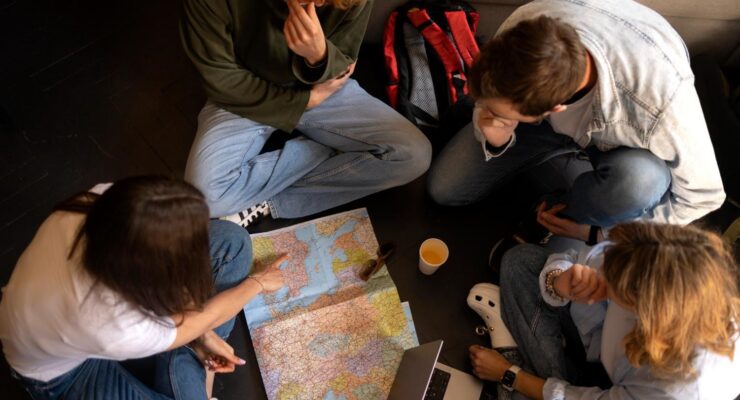
For many families, travel is also an opportunity to maintain a light sense of structure, especially for younger children who benefit from consistency. The challenge is to do this without turning a vacation into something that feels overly scheduled or academic.
Small, intentional moments of learning can fit naturally into the day. For example, quiet time in the afternoon, often when the sun is strongest, can be used for activities that are both calming and productive. Resources like 3rd grade spelling worksheets provide a simple way to keep children mentally engaged while still allowing them to enjoy the relaxed pace of a beach vacation. When integrated thoughtfully, these moments don’t interrupt the experience. Instead, they create balance. Children transition between active outdoor play and focused indoor or shaded activities, making the overall day feel more complete and less exhausting.
Designing Spaces That Fit the Coastal Environment
Creating effective outdoor spaces in a coastal area like Virginia Beach requires attention to environmental factors. Salt air, humidity, and strong sunlight all influence how materials perform over time.
Families and property owners often prioritize durability and ease of maintenance when planning these areas. This includes choosing weather-resistant materials, ensuring structures are stable in changing conditions, and creating layouts that offer both shaded and open spaces.
These decisions are not just practical, they directly impact how often a space is used. The more comfortable and reliable the environment, the more likely it is to become a central part of daily life during a stay.
Creating Meaningful Family Moments
What makes a trip to Virginia Beach memorable is not just the destination itself, but how time is spent within it. Shared experiences, whether at the beach or in a quiet backyard, shape how those memories are formed.
Spaces that encourage interaction tend to have the greatest impact. Children return to familiar activities, building a sense of comfort and routine even while away from home. Parents, in turn, gain the freedom to step back and enjoy the moment rather than constantly directing it.
Over time, these small interactions accumulate. They create a sense of connection that goes beyond the trip itself, turning simple environments into meaningful experiences.
A More Complete Coastal Experience
Virginia Beach offers more than a single attraction, it provides a framework for how families can experience time together. The beach may be the starting point, but the most lasting impressions often come from how that experience is extended into other parts of the day.
By combining time at the shoreline with thoughtfully used private outdoor spaces and moments of quiet engagement, visitors can create a more balanced and fulfilling version of coastal living. It is this balance, between activity and rest, exploration and familiarity, that defines the true appeal of Virginia Beach.




 Events


