






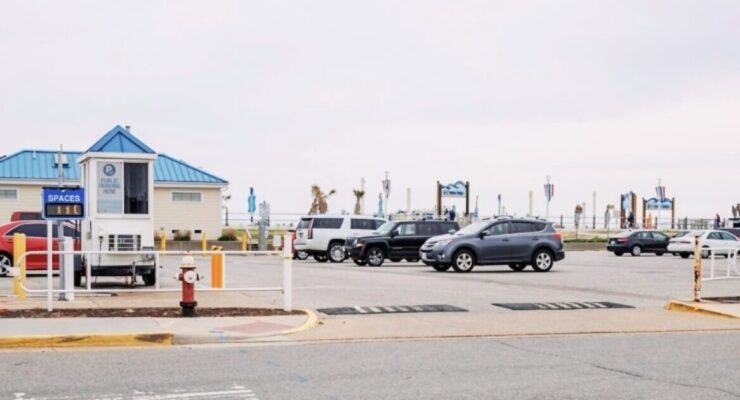
Every summer, visitors to Virginia Beach struggle with parking citations and minor fender benders on congested Atlantic Avenue. These issues are common, but most can be avoided with preparation and awareness.
To handle the oceanfront in 2026, you’ll need to know local rules, pedestrian right-of-ways, and defensive driving habits. If you plan ahead, you can avoid gridlock frustrations, costly fines, and vehicle collisions. Next, let’s examine why interactions between pedestrians, e-bikes, and cars often cause bottlenecks near the boardwalk.
Pedestrians, E-Bikes, and Traffic Bottlenecks
Near-misses between drivers, pedestrians, and motorized bikes occur frequently along the boardwalk. A distracted beachgoer stepping off the curb or an electric bicycle darting across the lane forces drivers to brake hard, instantly backing up traffic behind them.
What’s Going On
Coastal cities are seeing a surge in e-bike riders sharing the road with traditional vehicles. Officials have responded with aggressive new safety policies, including a 10 mph speed limit for e-bikes within 50 feet of a pedestrian. At the same time, police are urging riders to follow road rules and actively keep motorized bikes out of parks to maintain order.
How to Stay Safe
Treat e-bikes exactly like standard vehicles, but always expect sudden, unpredictable stops. And yield to all foot traffic at designated boardwalk crosswalks; there’s no exception here. Keep these tips in mind when you’re in the thick of it:
Scan the bike lanes: Check your blind spots for fast-moving e-bikes before turning into parking lots, especially on Pacific Avenue.
Yield at crosswalks: Pedestrians always have the right of way on Atlantic Avenue and Pacific Avenue.
Watch posted speed limits: Oceanfront limits drop noticeably during peak summer months, so don’t assume you know the number.
Stop-and-Go Traffic and Rear-End Collisions
Atlantic Avenue’s stop-and-go crawl is a recipe for rear-end collisions. It only takes a single second to glance at the ocean or check your GPS to close the gap between you and the car ahead. Sound familiar? You’re not alone.
Why It Keeps Happening
Heavy traffic, combined with drivers hunting for parking or craning their necks to see boardwalk attractions, creates a high-risk situation. According to the NHTSA, rear-end collisions make up about 29% of all crashes in the United States. Coastal roads are especially prone to them during peak daylight hours, when distractions abound.
What You Should Do
Keep a strict three-second following distance, even at low speeds. That buffer gives you time to react when the car ahead stops without warning.
If you do get hit from behind, document the scene right away and get a medical evaluation. People tend to assume that low-speed resort-town crashes only cause minor vehicle damage. But these impacts frequently result in soft tissue injuries (think whiplash) that don’t show symptoms for hours or even days.
Dealing with injuries after a collision? It helps to understand typical rear end car accident compensation amounts, so you know what to expect. Payouts for minor whiplash cases generally range from $5,000 to $10,000. More moderate rear-end collisions can range from $10,000 to over $100,000, depending on severity and documentation, while typical whiplash settlements range from $10,000 to $90,000.
Parking Garage Access and Avoiding Citations
Nothing spoils a trip to the shore quite like coming back to a missing vehicle or a hefty fine for parking in a permit-only neighborhood. Between sun-bleached signage and ambiguous dirt patches used for overflow, it is incredibly easy for tourists to inadvertently park somewhere they shouldn’t.
Where the Confusion Starts
Virginia Beach enforces strict parking regulations to keep emergency access routes clear for first responders. The mix-ups usually come from visitors choosing unregulated private lots or misreading the active hours on municipal meters. So what’s the safest bet?
Your Best Options
Municipal parking garages are far more reliable than street parking if you want to avoid time-limit citations entirely. Here’s a quick comparison of your main choices:
| Parking Option | Best For | Pros | Cons | Estimated Cost (2026) |
|---|---|---|---|---|
| Municipal garages (9th, 25th, 31st St) | All-day beachgoers | Secure, covered, close to boardwalk | Can fill up by mid-morning | $20 max per day |
| Street parking (meters) | Quick visits or dining | Conveniently located on the avenue | Strict time limits, aggressive ticketing | $2.00 per hour |
| Private surface lots | Overflow parking | Easy in-and-out access | Unregulated pricing, prone to scams | $15–$30+ per day |
Making the Most of Your Oceanfront Visit
Before you head out, pull up the city’s official municipal parking map and plan your route in advance. It takes five minutes and can save you an hour of circling blocks in the heat.
Also worth doing: double-check your auto insurance policy to confirm you’re covered for collisions while traveling, especially if you’re visiting from out of state. A little prep goes a long way toward keeping your Virginia Beach trip stress-free.




 Events


