






For many visitors to Virginia Beach, it’s the Atlantic Ocean and the mouth of Chesapeake Bay that lure them to the area for a vacation. Aside from its spectacular beauty, it’s a hub for a variety of water activities, such as fishing, surfing, kayaking, and paddleboarding. Beyond the water, many visitors also flock to the area to admire and enjoy the famous coastal architecture.
DeWitt Cottage
What becomes abundantly clear to building material suppliers in Rehoboth Beach, Virginia Beach, and in other coastal communities is that when you build a structure with coastal-friendly materials, it lasts the distance. The beautiful DeWitt Cottage in Virginia Beach is proof of that.
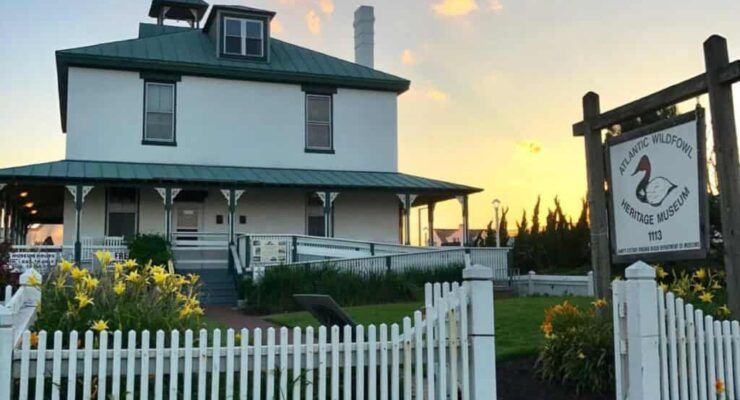
Built in 1895, the cottage with late Victorian architecture and Queen Anne-style decorative detailing is the oldest remaining private home on the oceanfront of Virginia Beach and houses the Atlantic Wildfowl Heritage Museum.
The exterior of the home features 14-inch-thick solid brick, while the interior retains the original beaded wooden boards and wood paneling. To help with drainage and prevent flooding, the foundation has been backfilled with cinder. Visitors to the area can see the historic DeWitt Cottage in person as it’s mere feet from the Virginia Beach Boardwalk.
Thoroughgood House
The Thoroughgood House on Parish Road in Virginia Beach is a brick house dating back to 1719. Now a history museum, it was once a home believed to have been built and owned by Adam Thoroughgood’s great-grandson. Adam was a community leader who helped settle Virginia counties; one of which was Princess Anne County, now known as the independent city of Virginia Beach.
Thoroughgood House is one of the area’s oldest surviving homes, with gorgeous early colonial architecture, prominent steep roof pitches, and a restored interior. If you intend to visit Thoroughgood House on your trip to Virginia Beach, free guided tours are offered during regular open hours.
Lynnhaven House
If you’ve ever wondered what life was like in early Virginia before the American Revolution, the Lynnhaven House is a great example. Built in 1725, it’s often considered one of the most well-preserved examples of Virginia vernacular architecture.
You can’t help but admire its many architectural and design elements, like its closed-spindle staircase, brick jack arches, and maritime-influenced ship’s lap flooring. While closed for restoration in late 2026, Lynnhaven House is typically open for tours that explore life in the early 18th century.
Ferry Plantation House
The Federal-style Ferry Plantation House has more to it than meets the eye. While it’s now a beautiful historic house with American-bond brickwork, heart-of-pine flooring, and historic two-story wings, the land it was built on at Cheswick Lane also has a rich history. The Ferry Plantation site dates back to 1642, when Adam Thoroughgood started the ferry service to connect plantations along the waterway.
Originally, the 3rd Princess Anne Courthouse stood on the site in 1735, complete with a pillory and stocks. In 1740, the Walke Manor House was constructed and later burned down. When builders exposed its brick floor in the rubble, they salvaged the undamaged bricks and used them to build the Ferry Plantation House in 1830.
Today, it’s a farmhouse overlooking part of the Lynnhaven River. The only convicted witch trial in Virginia took place nearby, where they tried Grace Sherwood by water in 1706. The Ferry Plantation House is open three days a week for both guided history tours and paranormal tours.
You don’t have to spend all your time at the beach when visiting Virginia Beach. You can also explore some of the most famous buildings and architecture locals are proud to call their own. Be sure to check their opening hours and include guided tours on your list of fun things to do in Virginia Beach.

 Events


