






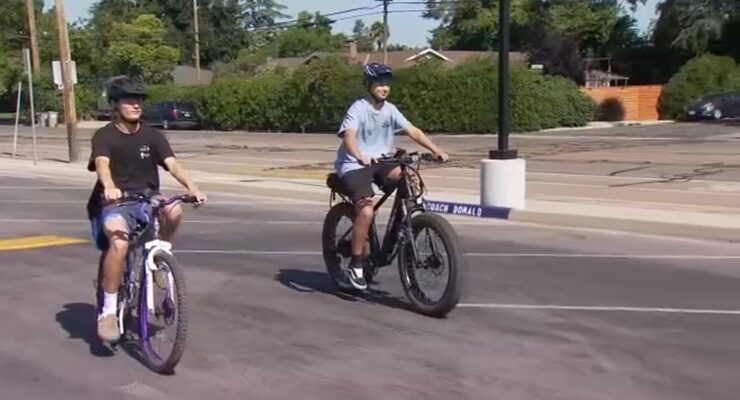
The three miles of bike path running alongside the Virginia Beach Boardwalk are one of the best rides on the East Coast. Rental cruisers roll past in the morning, families pedal down to Rudee Inlet, and by June the oceanfront is packed with people on two wheels. Cycling here is genuinely good, and it is worth doing often.
It also helps to know where the risk actually sits. National crash data makes one thing clear: cyclist injuries are not random events scattered evenly across the day. They cluster in specific conditions, at specific times, on specific kinds of roads. Once you know the pattern, you can ride around most of it. Here is what the numbers say, and how to apply them right here in Virginia Beach.
What the National Numbers Show
In 2023, 1,166 cyclists were killed on U.S. roads, near the highest total on record and up from the previous year (NHTSA, Traffic Safety Facts: 2023 Data, Bicyclists and Other Cyclists). Two patterns inside that number matter most for a beach town. First, about 1 in 5 injured cyclists that year were hurt in a hit-and-run, a driver who fled the scene. Second, as of 2024, 81% of cyclist deaths occurred in urban areas rather than rural ones.
That last figure is the one to sit with. Riders often picture the danger as a remote country road, but the data points the other way. Busy, built-up areas, with cars turning, parking, and pulling out, are where most fatal crashes happen. The front of the vehicle is the most common point of impact when a car or SUV strikes a rider (NHTSA, 2023 data), the geometry of a driver who simply did not see a cyclist crossing ahead.
When Riding Gets Riskiest
Darkness is the single strongest risk signal in the hit-and-run data. Nearly 80% of fatal hit-and-run crashes happen after dark, most often late at night or in the early morning hours (AAA Foundation for Traffic Safety, 2023 data). A driver who is hard to see is also a driver who finds it easy to leave, and a cyclist who is hard to see is the one who gets hit.
Picture a typical summer night at the oceanfront. Riders roll back toward their rentals after dinner and drinks along Atlantic Avenue, streetlights are uneven, and traffic is a mix of locals, visitors, and rideshare pickups. That is the window the data flags. The fix is cheap, and it is also the law: a white front light, a red rear reflector, and something reflective on your body or bike. Stick to main, well lit routes after dark, and you have removed yourself from the highest-risk column.
“Most of the serious injury cases we see share one profile: a rider who was hard to see, after dark, on a busy road,” says Robert Goldwater of Bike Accident Lawyers Group. “Lights and reflective gear are not a nicety. They are the line between being seen and being hit.”
Where Crashes Actually Happen
Most cyclist deaths do not happen on dedicated paths. As of 2024, 66% occurred on major roads other than interstates, and 61% happened away from intersections, on open stretches of road (IIHS, Fatality Facts 2024: Bicyclists). Protected, separated infrastructure is where riders are safest, and inland arterials are where the numbers climb.
For Virginia Beach, that maps almost perfectly onto the ground. The oceanfront bike path, physically separate from both the Boardwalk and the traffic lanes, is the comparatively safe place to ride, and it is a big part of why the resort strip is so pleasant on a bike. Risk rises when you leave it: at the street crossings where the path meets traffic, and out on inland arterials like Pacific and Atlantic Avenue, where speeds are higher and cars are turning across your line. Ride the path where you can, and treat every crossing and every arterial as a place to slow down and make eye contact.
What Virginia Law Requires of Riders
Virginia treats a bicycle as a vehicle, so riders carry most of the same duties as drivers: obey signals and stop signs, ride with the flow of traffic, keep as close as safely practicable to the right, and ride no more than two abreast (Virginia Code § 46.2-905). A working brake is required, and so is lighting after dark.
The night lighting rule is specific and worth getting right. When you ride between sunset and sunrise, Virginia Code § 46.2-1015 requires a headlight emitting white light visible at least 500 feet to the front and a red rear reflector visible at least 600 feet to the rear. A steady or blinking red rear light is a smart addition, and it becomes mandatory on roads posted at 35 mph or higher. Helmets are not required statewide for adults, but Virginia Beach City Code § 7-50 requires every rider 14 and younger to wear a properly fitted helmet on any street, sidewalk, or public bike path.
The oceanfront has its own rules, and they trip up a lot of visitors. Bikes are not permitted on the Boardwalk itself; they belong on the dedicated bike path that runs alongside it (Virginia Beach City Code §§ 7-59.3 and 7-71). There is no posted speed number, but the city requires a reasonable, responsible speed (§ 7-60). One change to note if your rental is electric: as of October 2025, e-bikes are prohibited on the Boardwalk, the bike path, and the adjacent oceanfront parks and plazas (§ 7-59.1). For the full local picture, see Virginia Beach’s Bicycle Laws and Information page.
If a Driver Hits You
If a car does hit you, what you do in the first hour shapes everything that follows. Move through these steps in order:
- Call 911. Report the crash and ask for medical help, even if you feel fine. A police report is your record.
- Capture the vehicle. If the driver flees, note color, make, model, and any part of the plate. Say it out loud into your phone so you do not forget.
- Photograph everything. The scene, your bike, the road, your injuries, and any skid marks or debris.
- Get witness contacts. Names and phone numbers of anyone who saw it. Bystanders leave quickly.
- See a doctor within 24 hours. Some injuries surface late, and a same-day record links the injury to the crash.
- Call your own insurer about UM/UIM coverage. Uninsured and underinsured motorist coverage is what pays when the driver cannot.
- Get legal advice. It is worth understanding your legal options after a crash before you talk to any insurer about a settlement, especially in a hit-and-run.
Two facts explain why speed matters so much here. Nearly half of hit-and-run drivers are never identified (AAA Foundation for Traffic Safety, 2023 data), which is exactly why your own uninsured motorist coverage, not the other driver’s policy, is often the real safety net after an oceanfront hit-and-run. And nearby security footage, from a hotel, restaurant, or parking garage, is frequently overwritten within days, sometimes as little as 72 hours.
If a camera caught your crash, someone has to ask for that video before it is gone. Keep the calendar in mind too: Virginia gives you two years from the date of the crash to file a personal injury claim (Virginia Code § 8.01-243).
“The riders who protect their claim are the ones who document everything before they leave the scene,” says Rober Goldwater]. “Footage from nearby businesses is often gone within a few days, so the first hours count for far more than anything that happens weeks later.”
Ride Smart, Ride Often
None of this is a reason to leave the bike at the rental shop. The data does not say Virginia Beach is dangerous for cyclists; it says risk is predictable, and predictable risk is manageable. Ride the separated path, light yourself up after dark, and respect the crossings and the arterials, and you have addressed the exact conditions of the national numbers flag.
That is the whole point of reading the statistics: not to scare anyone off the oceanfront, but to name the handful of moments worth extra attention. Do that, and you can ride here early, often, and for years.




 Events


