






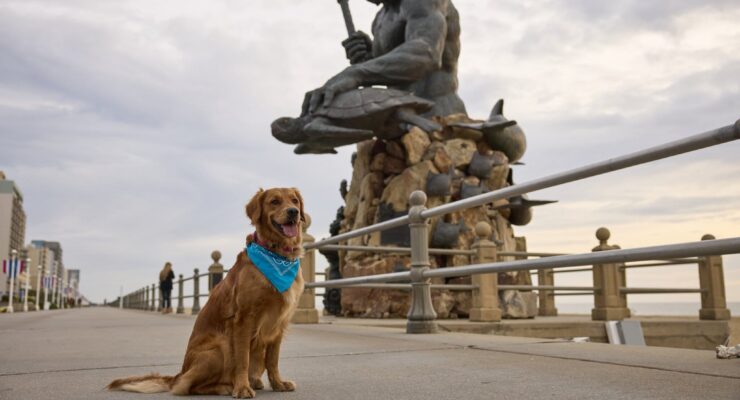
There is something almost magical about watching your dog experience Virginia Beach for the first time. Whether it’s the way their ears flop in the Atlantic breeze or that pure, unbridled joy of digging for a buried treasure (usually a shell) in the sand, it’s a pet owner’s paradise. From the quiet trails of First Landing State Park to the bustling energy of the boardwalk during the off-season, Virginia Beach is widely known as a premier dog-friendly beach destination. However, the sheer scale of the coastline brings a unique set of challenges. Before you even pull out the leash, it’s a good idea to consider how you’ll track your dog if the unthinkable happens amidst the crashing waves and crowded shorelines.
The Nightmare Scenario: When the Beach Goes Quiet
Imagine it’s a perfect Saturday. Your Labrador, Cooper, is playing fetch near the water’s edge. The sun is warm, the vibe is relaxed, and you’ve finally found that sweet spot between the surfers and the sunbathers. But then, a sudden “boom” from a distant boat or a particularly aggressive seagull sends Cooper into a frenzy. He doesn’t just run; he bolts.
Within seconds, the familiar orange of his collar is a tiny speck against a sea of colorful umbrellas and white sand. You call his name, but the roar of the ocean swallows your voice. This is the moment every pet owner fears: a lost dog on the beach. In an environment without fences or boundaries, a scared or distracted dog can cover a mile of shoreline in minutes, leaving you standing in the sand with a sinking feeling in your chest.
Why Beaches are Higher Risk Than Your Local Park
We often think of the beach as a safe, open playground, but that openness is exactly what makes it risky. Unlike a fenced-in dog park, the beach is a sensory overload.
- Lack of Boundaries: There are no physical barriers to stop a dog from running until they are exhausted.
- Noise Pollution: The crashing waves and wind create a “white noise” effect that makes it incredibly difficult for a dog to hear your whistle or voice.
- Scent Confusion: On a normal walk, your dog follows familiar scents home. On a beach, the salt spray and shifting sands constantly erase “scent trails,” making it nearly impossible for a dog to find their way back to your specific beach towel.
Modern Solutions: Pet Safety in 2026
The good news is that we aren’t just relying on posters and luck anymore. In 2026, technology has caught up to the needs of the modern dog owner. Pet safety has evolved from simple metal ID tags to sophisticated digital guardians.
A high-quality GPS tracker for dogs is now the gold standard for beach trips. These devices have become smaller, more waterproof, and incredibly precise. Today’s trackers allow you to set up a “virtual leash” or a geofence. If your dog wanders more than 50 yards from your beach chair, your phone vibrates immediately. Instead of panic-searching the dunes, you can open an app and see exactly where they are—moving in real-time. This kind of tech bridges the gap between the unpredictability of nature and the peace of mind we need to actually enjoy our vacation.
Tips for a Stress-Free Virginia Beach Trip
While technology is a lifesaver, a multi-layered approach to prevention is always best.
- Check the Calendar: Remember that Virginia Beach has specific “dog hours.” During the summer peak, dogs are usually restricted on the main resort beach during the day. Visiting the North End or Sandbridge can offer a quieter, safer experience.
- Training is Key: A “reliable recall” (the ability to come when called) is your most important tool. If your dog isn’t 100% consistent with their recall, keep them on a long training lead.
- Visible Identification: Even with a GPS tracker, a physical tag with your current cell phone number is vital. If a fellow beachgoer finds your dog first, they need a way to call you instantly.
- Fresh Water & Shade: A dehydrated dog is a disoriented dog. Keep them cool to ensure they stay focused and calm.
Peace of Mind on the Shore
Virginia Beach offers some of the best memories you’ll ever make with your four-legged best friend. The salt in their fur and the sand on their paws are badges of a day well spent. By taking a few minutes to prepare for the “what ifs”—whether that’s through training or investing in a reliable GPS tracker—you ensure that the only thing you’re bringing home from the beach is a tired, happy pup and a camera roll full of memories. Don’t let the fear of a lost pet keep you from the surf; just be ready so you can focus on the fun.




 Events


