






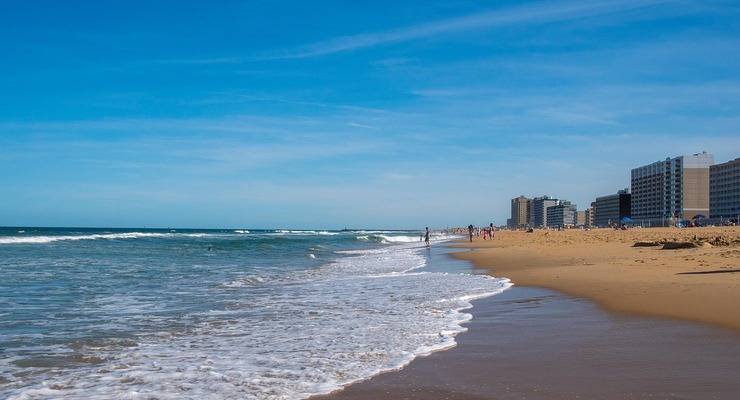
Designing a beach home in Virginia Beach requires decisions that respond to the city’s functions as a vacation destination. For instance, properties near the Oceanfront, Sandbridge, and the Chesapeake Bay do not operate like standard primary residences.
Many serve short-term renters during peak summer months, host larger groups on weekends, and sit vacant for parts of the off-season. That pattern changes how the homes are maintained, furnished, and structured compared to inland properties used by year-round occupants. We discuss this in detail below.
Interiors That Capture the Virginia Beach Experience
Interior design in Virginia Beach should reflect how visitors and residents use homes during the tourism season. Here are some of the main interior design priorities.
Durable, Beach-Friendly Materials
Flooring must withstand moisture tracked in from the beach and repeated cleaning between guest stays. If a home currently relies on carpet, untreated wood, or other surfaces that absorb moisture, a homeowner may need to replace them before operating as a rental.
Luxury vinyl plank, sealed tile, and other water-resistant options handle sand, humidity, and frequent use more effectively than materials that stain, swell, or deteriorate over time. Wall finishes and cabinetry also benefit from durable upgrades. Washable paint supports routine maintenance during peak tourism months, and sealed cabinetry reduces wear from humidity.
Hardware made from corrosion-resistant materials limits rust and surface damage caused by salt exposure. For example, a homeowner can engage a design-build company, such as Dulles Kitchen & Bath, to explore renovation ideas and material selections suited to environments with high traffic and moisture.
Open Layouts for Group Travel
When several adults cook, talk, and supervise children at the same time, walls between rooms can create bottlenecks. An open layout removes those barriers. It allows multiple people to cook, sit, and circulate without waiting for access to a single doorway or hallway.
Sleeping areas require the same level of planning. Groups often include grandparents, siblings, friends, and children staying under one roof. Placing bedrooms in separate wings or on different floors gives each group privacy while keeping common areas central. Bunk rooms add sleeping capacity without increasing square footage, and secondary suites allow couples to maintain personal space.
Designing for Vacation Rental Appeal
Homes in Virginia Beach that operate as short-term rentals compete in a seasonal market. Guests compare listings based on convenience, comfort after beach outings, and proximity to major attractions. The following are the main tourism-driven usability considerations.
Features That Attract Short-Term Renters
After a day at the Oceanfront or Sandbridge Beach, guests need a place to rinse sand before entering the home. It reduces interior cleaning demands and protects flooring. Storage also influences rental satisfaction. Secure areas for surfboards, bicycles, and beach carts prevent clutter inside shared living spaces.
Coastal Architecture Inspired by the Oceanfront
Homes near the Atlantic shoreline in Virginia Beach face conditions that differ from those in inland neighborhoods. Salt air, shifting weather patterns, and seasonal occupancy all influence how structures are planned and built. Thus, consider the following:
Elevated Structures for Coastal Resilience
Flood risk remains a practical concern in some areas. Therefore, raised foundations help reduce exposure to storm surge and heavy rainfall. Elevation also allows for air circulation beneath the home, which can help limit moisture buildup and prevent structural deterioration over time. In a city that experiences hurricane season each year, foundation height is a structural necessity. It directly affects insurance requirements, long-term maintenance, and property value.
Beyond elevation, structural framing must account for coastal wind loads. Reinforced connections, impact-resistant windows, and durable exterior finishes help homes withstand strong storms without constant repair. These measures support both safety and long-term usability in a tourism-driven market.
Large Windows and Natural Light
Properties near the Oceanfront depend on view access. Large windows positioned toward the Atlantic maximize visual connection to the shoreline. Orientation matters. Homes designed to capture sunrise light over the ocean often appeal more strongly to vacation renters and seasonal occupants.
Window placement also affects interior comfort. Cross-ventilation can reduce reliance on mechanical cooling during milder months. Proper sealing and corrosion-resistant hardware protect against salt exposure.
Conclusion
Designing beach homes in Virginia Beach requires more than coastal styling. For instance, many properties must accommodate large groups during peak summer months, which influences layout, sleeping capacity, and shared living space. Coastal weather and flood exposure also influence structural decisions, especially in areas near the Oceanfront and Sandbridge, where elevation and material durability affect long-term performance.




 Events


