






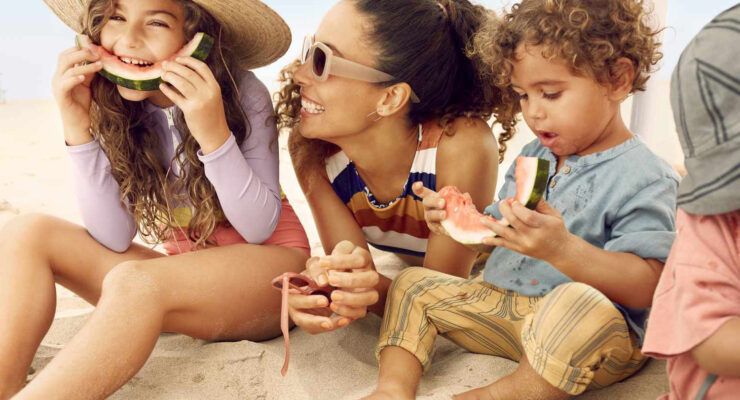
Virginia Beach gives kids plenty of reasons to move, from playgrounds and bike paths to beach games, sports practice, and long afternoons outdoors. Choosing the right outfit helps them stay comfortable, protected, and ready for whatever the day brings. This guide covers practical clothing choices for active children so families can plan with confidence without overpacking or guessing.
What should kids wear for a busy day outdoors?
Kids should wear breathable, flexible clothing that supports movement, handles sweat, and suits changing coastal conditions. For an active day in Virginia Beach, that usually means lightweight tops, comfortable shorts or leggings, supportive shoes, and sun-smart layers. The goal is not to dress them perfectly for one activity, but to give them an outfit that can move from sand to sidewalk to sports field with minimal fuss.
A good outfit starts with comfort. Children are more likely to enjoy the day when waistbands do not pinch, seams do not rub, and fabrics do not feel heavy once damp. Active clothing choices should also be easy to clean, because sand, grass, sunscreen, and snack spills are often part of the experience.
Think in layers rather than one “all-day” piece. A breathable shirt can work for midday activity, while a light hoodie, zip layer, or windbreaker can help if breezes pick up near the water. This approach keeps kids comfortable without requiring a full change every time the weather or activity shifts.
Comfort starts with breathable fabrics
Fabric choice matters because active children heat up quickly. Cotton can feel soft at first, but it may hold moisture and become heavy during sweaty play or after contact with water. Performance blends, moisture-wicking materials, and lightweight knits are often better suited for running, climbing, biking, or playing sports.
For children’s athletic wear, look for materials that feel smooth against the skin and allow easy airflow. Stretch is helpful, especially for kids who will be crouching, jumping, kicking, or climbing. Clothing should fit close enough that it does not get in the way, but not so tight that it limits movement.
Useful fabric features include:
- Moisture control: Helps pull sweat away from the skin so kids feel less sticky.
- Soft seams: Reduces irritation during long walks or repeated movement.
- Four-way stretch: Makes it easier to run, bend, and play freely.
- Quick-drying fabric: Helpful for splash pads, damp sand, or unexpected drizzles.
- Lightweight construction: Keeps outfits from feeling bulky in warm weather.
The best pieces are the ones kids will actually wear without complaint. If a shirt is technically great but scratchy, stiff, or too warm, it will likely end up ignored.
Choose outfits that match the activity
Virginia Beach days can include several activities in one outing, so clothing should be versatile. A child might start at a park, walk along a paved path, play a casual game, and then spend time near the beach. Instead of packing separate outfits for every stop, build a flexible base outfit and adjust with small additions.
For casual outdoor play, athletic shorts, skorts, leggings, or joggers work well with a breathable tee or tank. For organized sports, kids’ sports clothing should match the demands of the activity. Soccer, basketball, tennis, running, and general training all benefit from pieces that allow a full range of motion and stay comfortable during repeated movement.
A practical active-day outfit may include:
- A breathable top that is light, soft, and easy to layer.
- Flexible bottoms such as shorts, leggings, or joggers with a secure waistband.
- Supportive athletic shoes suited for walking, running, and playground use.
- Performance socks that reduce rubbing and stay in place.
- A light layer for early mornings, breezy evenings, or indoor stops.
- A hat or visor for shade during sunny outdoor time.
If beach time is part of the plan, consider clothing that can handle sand and moisture. Quick-dry shorts, rash guards, and easy-off layers are helpful, especially for younger children who may move between water play and dry activities.
How can parents balance sun protection and comfort?
Parents can balance sun protection and comfort by choosing lightweight coverage, breathable layers, and accessories that kids can tolerate for more than a few minutes. Long-sleeve sun shirts, rash guards, brimmed hats, and UV-conscious fabrics can help protect skin while still allowing movement. The key is to avoid heavy layers that trap heat or make kids feel restricted.
Sun-smart clothing is especially useful because kids are not always patient about reapplying sunscreen, waiting in shade, or keeping hats on. A comfortable long-sleeve performance shirt may be easier than relying only on sunscreen for arms and shoulders. For beach days, a rash guard can also reduce the need to change between swimming and playing on the sand.
Color and fit can make a difference in how comfortable sun-protective clothing feels. Lighter colors may feel cooler in direct sun, while looser cuts can improve airflow. However, clothing should still stay secure during activity, especially around playground equipment, bikes, and sports gear.
A simple sun-ready checklist includes:
- A breathable top with shoulder coverage
- A hat that shades the face
- Sunglasses if the child will wear them safely
- Comfortable shoes for hot pavement and active play
- A light cover-up or rash guard for beach and water activities
- Sunscreen for exposed areas, used as directed on the product label
Footwear can make or break the day
Shoes are one of the most important parts of an active outfit. Flip-flops may be fine for a short walk to the sand, but they are not ideal for running, climbing, biking, or long walks. For a full day out, supportive sneakers like Nike shoes for kids are usually better choices.
Athletic shoes should fit well, with enough room for toes to move but not so much space that the heel slips. Socks matter too. Thin, poorly fitting socks can bunch up and cause discomfort, while breathable athletic socks help protect feet during repeated movement.
For families planning both beach and land activities, it may be worth bringing a second pair of footwear. Sneakers can handle parks, sports, and walking paths, while water-friendly sandals or shoes work well in wet areas. If you only want to pack one pair, choose the option that best matches the most active part of the day.
Practical details parents should not overlook
Small clothing details often determine whether an outfit works for the whole day. Pockets, adjustable waistbands, easy closures, and durable stitching can make a big difference, especially for younger kids. Clothing should be simple enough for children to manage during restroom breaks, outfit changes, or transitions between activities.
Avoid pieces with excessive decorations, dangling strings, or stiff fabrics that may interfere with play. This does not mean kids cannot express their style. Bright colors, fun prints, and favorite designs can make activewear more appealing, as long as the clothing still performs well.
Before heading out, do a quick outfit check:
- Can your child run, jump, and squat comfortably?
- Does the waistband stay in place without digging in?
- Are shoes secure enough for active play?
- Will the outfit still feel comfortable if it gets sweaty or sandy?
- Is there a layer available if the temperature changes?
- Are spare socks or a backup top needed for the day’s plan?
This kind of check takes only a minute, but it can prevent discomfort later. It also helps children learn what comfortable, practical clothing feels like for active days.
Build a simple activewear rotation
Families do not need an oversized wardrobe to dress kids well for active days. A small rotation of reliable children’s athletic wear can cover most outings, practices, school activities, and weekend plans. Focus on pieces that mix and match easily, wash well, and work across several settings.
A useful rotation might include a few breathable tops, two or three pairs of athletic shorts, leggings or joggers, a light jacket, performance socks, and supportive shoes. For children involved in sports, add activity-specific kids’ sports clothing as needed, such as team-approved gear or pieces suited to the sport’s movement patterns.
When shopping, prioritize fit, comfort, and durability over trendy details. Kids grow quickly, but clothing that fits poorly “for later” can be uncomfortable now. The best activewear supports the child’s current size, current activities, and current preferences.
The right outfit helps kids enjoy the day
The best answer to what kids should wear in Virginia Beach is simple: choose clothing that keeps them cool, protected, flexible, and ready to move. Breathable fabrics, supportive shoes, sun-smart layers, and practical details all work together to make the day easier for both kids and parents.
When children feel comfortable, they can focus on playing, exploring, and participating instead of tugging at clothing or complaining about sore feet. With a thoughtful mix of active kids’ clothing that Virginia Beach families can rely on, every outing becomes a little smoother, safer, and more enjoyable.




 Events


