






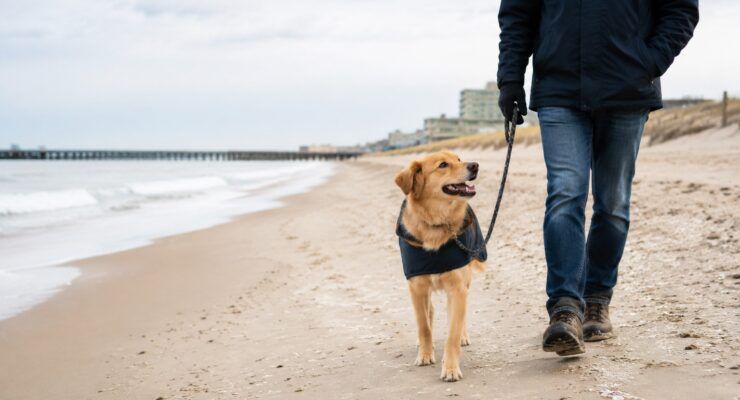
A Virginia Beach trip is often associated with summer crowds, hot sand, and long days by the ocean. But an off-season visit has its own appeal: quieter beaches, easier restaurant reservations, lower accommodation prices, and a calmer pace for families who want to explore with their dog.
Winter on the coast can still be windy, wet, and unexpectedly cold, especially near the water. A little preparation helps your dog stay comfortable while you enjoy beach walks, scenic drives, local parks, and pet-friendly patios. Before travelling, check current city rules, accommodation policies, and individual business requirements for dogs. Then use these practical tips to make the trip more relaxed for everyone.
1. Choose accommodation with your dog’s routine in mind
“Pet-friendly” can mean very different things from one hotel or rental to another. Before booking, confirm whether there are size restrictions, pet fees, limits on the number of dogs, or rules about leaving pets unattended in the room.
It also helps to look beyond the listing’s pet-friendly label. Ask whether there is a nearby grass area, a safe walking route, or an outdoor space where your dog can settle after the journey. A rental close to quieter streets, trails, or beach access can make early-morning and evening walks much easier in colder weather.
2. Pack for the coastal wind, not just the temperature
Virginia Beach winter temperatures can feel colder than the forecast suggests when the wind comes off the ocean. Dogs with short coats, smaller bodies, or lower tolerance for the cold may appreciate an extra layer during longer walks.
Bring a few towels, a spare blanket for the car, and dog coats for winter beach walks that fit well without restricting movement. A well-fitting coat is particularly useful when your dog will be outside in wind, drizzle, or damp conditions rather than simply taking a quick bathroom break.
Try any new outerwear at home before the trip. That way, your dog can get used to walking, sitting, and wearing a harness over or under the coat without the added distraction of an unfamiliar destination.
3. Protect paws on cold or rough walking routes
Even without heavy snow, winter surfaces can be uncomfortable for dogs. Cold pavement, wet boardwalks, grit, and rough paths can all be harder on paws than a soft summer beach walk.
For longer outings, dog boots for chilly beach walks can offer an extra layer of protection and grip. They can be especially practical for dogs that dislike walking on cold ground or tend to lift their paws when conditions become uncomfortable.
As with coats, introduce boots gradually before travelling. Start with short indoor sessions, reward your dog for wearing them, and check the fit before heading out. A secure fit matters more than forcing your dog to wear them for every walk.
4. Keep a rain-ready kit by the door
Winter weather at the coast can change quickly. A bright morning can turn into drizzle or a windy afternoon, so it is useful to have a simple weather kit ready before you leave your accommodation.
Pack a small towel, waste bags, wipes, and a waterproof pouch for your phone or keys. For dogs that still need their usual walks in wet weather, a rain layer can help with keeping them dry in wet weather. Drying your dog’s coat, paws, and underside promptly when you return can also help keep the rental or hotel room clean and comfortable.
5. Plan shorter walks with more stops
A winter beach trip does not require one long outdoor adventure every day. Shorter walks spaced throughout the day can be more enjoyable, particularly when it is windy or wet.
Use your time outside to explore different parts of the area: a quiet neighbourhood route in the morning, a brief beach walk in the afternoon, or a stop at a dog-friendly park while driving between attractions. This approach gives your dog exercise and new surroundings without making them stay outdoors longer than they are comfortable.
Pay attention to your dog’s behaviour. Shivering, lifting paws, slowing down, or trying to head back indoors are all signs it may be time to shorten the outing.
6. Bring familiar comforts from home
Travel can be exciting for dogs, but a new room, unfamiliar sounds, and a different daily rhythm can also be unsettling. A familiar bed, blanket, crate, or favourite toy can make a big difference when it is time to settle down.
Keep their feeding routine as consistent as possible, and bring enough food for the trip rather than relying on finding the same brand locally. If your dog is prone to anxiety, plan quiet breaks between busy activities and avoid leaving them alone somewhere unfamiliar for long periods.
7. Be visible during darker winter hours
Winter days are shorter, and many family travel plans involve early starts or late returns after dinner, events, or sightseeing. A reflective collar, leash attachment, or clip-on light can make a dog easier to see around car parks, paths, and quieter streets.
Visibility is especially useful near busy areas where drivers may not expect pedestrians after dark. Keep your dog on a secure leash, even in open-looking spaces, since unfamiliar sounds and smells can be distracting.
8. Build dog-friendly stops into your itinerary
The best trips are not about keeping your dog occupied every minute. Instead, build in simple stops where they can stretch their legs, have water, and enjoy a slower pace with the family.
When researching restaurants, attractions, and outdoor areas, confirm current dog policies directly before arriving. Rules can vary by season, time of day, seating area, and event. Having one or two flexible backup options means a change in weather or a closed patio will not derail the day.
9. End each day with a quick paw and coat check
After a beach walk or park visit, take a minute to check your dog’s paws, coat, and harness area. Rinse off sand if needed, dry between the toes, and look for any irritation from dampness, grit, or rubbing gear.
This small routine is also a good chance to help your dog wind down. Offer fresh water, let them settle on their familiar blanket, and keep the evening quiet after a full day of new experiences.
A winter Virginia Beach getaway can be a great change of pace for families and dogs alike. With the right accommodation, flexible plans, and a few weather-ready essentials, you can enjoy the coast at its calmest while keeping your dog comfortable throughout the trip.




 Events


