






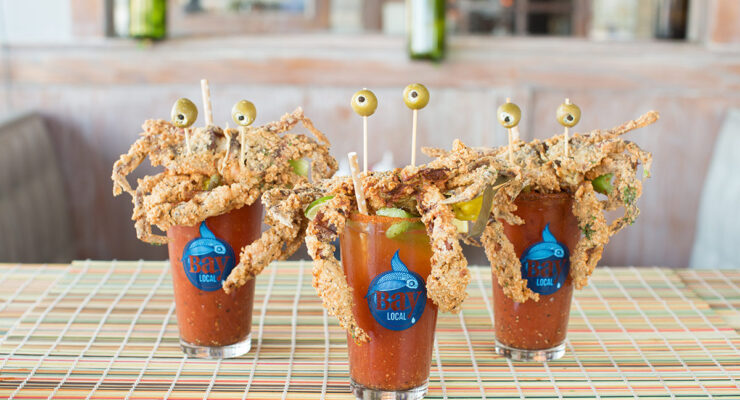
If you’re going to the beach, food is probably not the first thing on your mind (well, unless you’ve got kids, but that’s another story!). You’re going there to swim, to lie down in the sun, sunbathe, to relax.
The beach and the sea are the focal points here, and nobody can take that away from it, so we won’t even try. And while you’re there, it’s pristine.
But what about when you get home? What about when a week or two have passed? Someone asks you how it was. And, regardless of how hard you try, the only thing you can come up with is some bland, generic, uninspiring answer that mentions the water and the sand. Right?
Well, if that’s the case, you’ll be glad to know that you aren’t alone.
And there’s only so much that will stick in your mind about it.
But what if you were to eat a delicious basket of fried clams in a nearby restaurant? What if you ate that random piece of fish that was freshly caught just this morning?
In that case, the sand and the seawater won’t be the first things that jump to your mind. The food you ate while you were at the beach will stick with you, a week, a month, a year after the event.
In this article, we’ll go over how Virginia Beach used this phenomenon to its advantage and how it used local cuisine to become a tourist powerhouse.
How Food Became Part of Virginia Beach’s Tourism Identity
When you think of tourist places, food is definitely one of the things that comes to mind.
Take Japan, for example. Yes, there’s plenty to see there, but there’s also plenty to try in the aspect of food. Yakitori, Japanese curry, matcha ice cream (REAL matcha ice cream!), or pufferfish if you’re really brave.
Guadalajara is another good example! If you were to go on one of those super-popular guided Guadalajara food tours, you’d definitely have a memorable time eating tortas ahogadas, birria, jericalla, and tejuino. And they ARE delicious; it’s no wonder why these are so popular.
But to be fair, Virginia Beach didn’t aim to become the food destination it is today; it kind of happened. Most say it’s by accident. In the past, it was the beach that attracted tourists. Today, even though the beach is still there, it’s the food that’s used as a magnet and the primary driving force for the economy.
Sure, there were restaurants there, but they were kind of basic and bland. The only idea there was to put food on the table for people who were too hungry to go elsewhere.
Nobody actually cared where the shrimp came from. The menus were all the same, and tourists ate… Well, whatever.
They were hungry, the food was there, and that’s it. Nobody was curious about the food here because the food wasn’t a selling point.
That definitely changed. The nearby Lynnhaven River always had oysters and blue crab. These were all over the place. And at one point, the local restaurants started to pay attention, and they started to build their menus around these types of local food. They started to rebrand their food places and market them around those foods. They started telling their customers where the food came from, and what do you know? People loved hearing about it.
And bit by bit, this type of meal slowly but surely became a ‘must-do’ thing when you’re in Virginia Beach.
Companies like Fernwayer are aware of what a big deal food is, and their travel experiences are built around local cultures. Food included.
Thanks to this newfound knowledge, Virginia Beach has its own seafood festivals that attract crowds each year. It’s massive for local tourism.
And the sand? It’s still there.
Everyone still loves it. But it’s the food that the tourists seem to take home as those beloved memories.
The Local Experiences That Gave Virginia Beach Its Culinary Identity
Food is a big deal when it comes to tourism, but the culture takes time to develop.
Here’s how it happened in Virginia Beach.
Fresh Seafood
If you’re eating a fish that came from the water you’re looking at, it becomes an experience. Well, if the fish is tasty. It sounds ridiculously simple, but stuff like this is what gives a place its edge.
Blue crabs, Lynnhaven oysters, clams, and rockfish aren’t imported; they’re local. It’s the local fish restaurants, even the local fish-heavy fast food places that decide what goes on and off the menu. The food changes as the seasons go by; this helps keep things fun and exciting for both new and returning tourists.
Oyster Trails
Here tourists can see how oysters are being grown and they get to taste the difference in oysters that are harvested in different waters. You’ve got several oyster regions in Virginia, and every single one of them has shellfish of different flavors. It’s kind of like wine drinkers going through different vineyards.
A lot of farms use sustainable methods that actually improve the quality of the water, so that’s another highlight of these trails.
Waterfront Restaurants
If you ever ate at a waterfront restaurant then you know how different it is from going anywhere inland. There’s the wind that gets carried by the water, there’s the fresh air, the sound of flowing water. And the picturesque sights are something else. All of this, alongside the food, will be deciding factors of your overall experience.
That’s not to say that there aren’t some excellent places away from the water, but come on. You can’t beat that view. No way.
That atmosphere exists only on water, which is why waterfront dining has become a big part of Virginia Beach’s tourism brand.
Conclusion
If you ask most people about going to the beach, you’ll rarely find someone who’ll object. You won’t hear someone say something cringey like: “I don’t like sand. It’s coarse and rough and irritating, and it gets everywhere.” Yikes!
People (generally) love going to the beach.
But what makes the entire experience memorable is the food. The local food. Virginia Beach is one of the places that has figured this out, and thanks to the change, they’ve turned the beach into an actual experience.
Sand is great. But the food is great(er)!



 Events


