






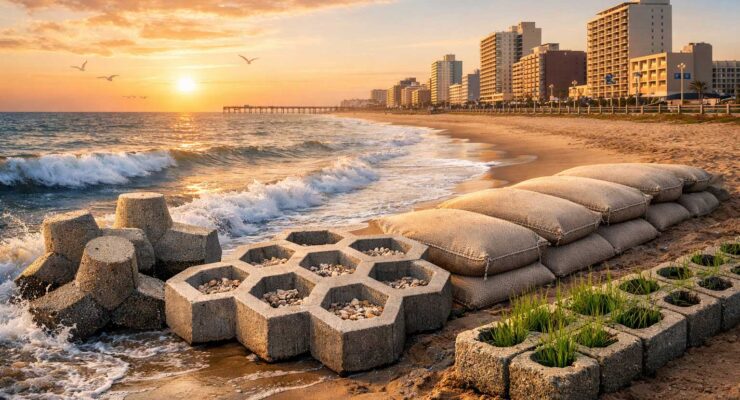
Virginia Beach’s shoreline is more than a scenic backdrop—it is the heart of the city’s identity. From morning walks along the boardwalk to sunset views over the Atlantic, the coast defines how visitors experience this destination.
But coastal environments face constant pressure from sun, salt, wind, and water. Walkways, railings, outdoor furniture, beach gear, and public structures all endure harsh conditions year-round. To keep Virginia Beach beautiful, safe, and welcoming, cities around the world are beginning to rely on new materials that are stronger, longer-lasting, and more resistant to coastal wear.
These innovations may not be visible at first glance, but they quietly improve comfort, safety, and sustainability for everyone who visits.
Stronger Surfaces for Public Spaces
Salt air and moisture accelerate corrosion in traditional metals and coatings. Over time, this can weaken railings, benches, signage, and boardwalk features. New surface treatments and advanced materials now help:
- Reduce rust and corrosion
- Prevent fading from UV exposure
- Make surfaces easier to clean
- Extend the life of outdoor structures
For visitors, this means cleaner walkways, safer handrails, and public areas that stay attractive season after season—without constant repairs disrupting the experience.
Smarter Fabrics for Beach Comfort
Anyone who has spent a full day on the Virginia Beach Oceanfront knows how heat and humidity can build. Modern beachwear and outdoor clothing are evolving beyond basic cotton and polyester.
Today’s fabrics are designed to:
- Wick moisture faster
- Dry quickly after swimming
- Stay lightweight in humid conditions
- Reduce odor during long outdoor days
Some of these improvements come from research into ultra-thin carbon materials used in sportswear and outdoor gear. Educational resources like Graphene Uses explain how these emerging materials are influencing breathable fabrics and heat-regulating textiles that travelers now enjoy in everyday beachwear.
Better Gear for Coastal Adventures
Outdoor recreation is central to the Virginia Beach experience—kayaking in Back Bay, biking along Shore Drive, hiking coastal trails, or paddleboarding in calm waters.
Advances in materials science are making outdoor equipment:
- Lighter and easier to carry
- More resistant to water damage
- Stronger without adding bulk
- More comfortable for extended use
From paddleboards to backpacks, visitors benefit from gear that performs better in wet, sandy, and windy conditions—making adventures safer and more enjoyable.
Supporting a More Sustainable Coast
Protecting the coastline isn’t just about strength—it’s about sustainability. New materials help reduce environmental impact by:
- Extending the lifespan of public infrastructure
- Lowering replacement frequency
- Reducing waste from worn-out products
- Supporting eco-friendly construction methods
Longer-lasting boardwalk features, reusable outdoor gear, and more durable public furnishings all contribute to a cleaner shoreline and reduced strain on local resources.
Small Changes That Make a Big Difference
Visitors may come for the waves, wildlife, and waterfront dining, but it’s the everyday comforts that shape how a vacation feels. Cooler clothing, cleaner public spaces, and better outdoor gear quietly enhance every moment spent exploring Virginia Beach.
Innovation doesn’t replace the charm of the coast—it preserves it.
As science continues to improve the materials around us, destinations like Virginia Beach benefit in subtle but meaningful ways. The result is a shoreline that remains beautiful, resilient, and welcoming—today and for generations to come.




 Events


