






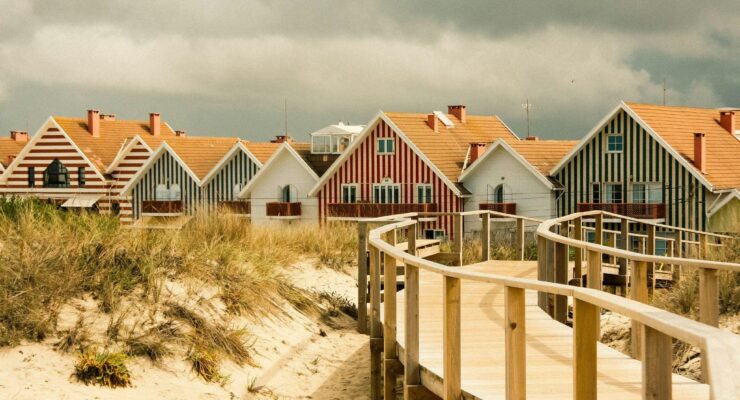
Living in a coastal area like Virginia Beach comes with a unique set of advantages, ocean views, mild winters, and a lifestyle closely tied to the outdoors. But these benefits also come with practical challenges. Humidity, salt air, and fluctuating temperatures can affect how homes function on a daily basis.
As a result, homeowners are increasingly focused on systems that improve comfort while reducing long-term maintenance. This has led to a growing interest in smarter climate control and more efficient ways to maintain exterior surfaces, both of which play a key role in preserving the condition and usability of coastal properties.
Why Coastal Climates Require a Different Approach
Homes near the coast experience environmental conditions that differ significantly from inland areas. Higher humidity levels can affect indoor air quality, while salt exposure can accelerate wear on exterior materials. These factors require homeowners to think more carefully about how their systems are set up and maintained.
This is especially important when it comes to heating and cooling. Traditional systems may not respond efficiently to the subtle changes in coastal climates, leading to inconsistent comfort and higher energy use. As a result, homeowners are looking for solutions that can adapt more precisely to their environment.
The Role of Smart Climate Control in Coastal Living
Modern climate control systems are designed to do more than regulate temperature. They aim to create consistent indoor conditions that account for humidity, airflow, and energy efficiency. This is particularly valuable in coastal homes, where environmental factors can change quickly.
In that context, some homeowners explore options like smart thermostat for heat pump setups when evaluating how to better manage indoor comfort alongside energy use. These systems are often considered as part of a broader effort to create a more responsive and efficient home environment without constant manual adjustments.
Managing Humidity Without Overworking Systems
Humidity control is one of the biggest challenges in coastal homes. Excess moisture can lead to discomfort, as well as long-term issues such as mold or material deterioration. At the same time, over-reliance on cooling systems to manage humidity can increase energy consumption.
This balance requires systems that can respond intelligently to changing conditions. Instead of running continuously, they adjust based on real-time needs, helping maintain comfort without unnecessary strain. This approach supports both efficiency and long-term system performance.
Exterior Maintenance Is Just as Important as Interior Comfort
While indoor systems play a major role in comfort, exterior maintenance is equally important in coastal environments. Salt, moisture, and debris can accumulate on surfaces, leading to gradual wear if not addressed regularly.
Routine cleaning helps preserve materials and maintain the overall appearance of the property. For many homeowners, this becomes part of a broader maintenance strategy that focuses on preventing damage rather than repairing it after the fact.
Why Professional Cleaning Solutions Are Gaining Attention
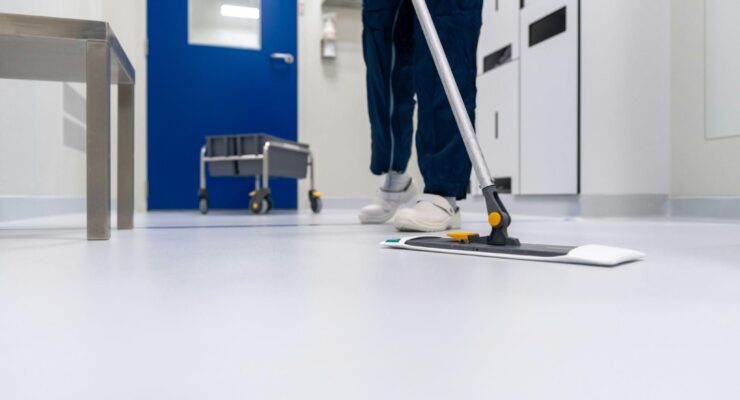
As maintenance needs increase, more homeowners are turning to specialized solutions that can handle tougher cleaning requirements. High-pressure cleaning systems, for example, are often used to remove buildup from driveways, siding, and outdoor areas more effectively than standard methods.
In that space, providers like https://hotsyhouston.com/ are part of a wider industry focused on equipment and solutions designed for heavy-duty cleaning tasks. While not limited to coastal areas, these tools are particularly relevant in environments where regular exposure to moisture and residue requires more consistent upkeep.
Efficiency as a Long-Term Strategy
Efficiency is becoming a central theme in how coastal homes are managed. This includes both energy efficiency and maintenance efficiency, finding ways to reduce effort while maintaining high standards of comfort and care.
Smart systems and effective maintenance tools contribute to this goal by minimizing the need for constant intervention. Instead of reacting to issues as they arise, homeowners can rely on systems that support ongoing stability.
What Research Says About Energy Use and Climate Control
Energy efficiency is a growing concern for homeowners across all regions, but it is particularly relevant in areas where climate conditions require consistent system use. According to the U.S. Department of Energy, smart climate control systems can help optimize energy consumption by adjusting to usage patterns and environmental conditions.
This data-driven approach allows homeowners to maintain comfort while reducing unnecessary energy use, which is especially valuable in climates where systems are used frequently.
Designing Homes That Work With the Environment
Rather than trying to control every aspect of the environment, modern home design increasingly focuses on working with natural conditions. This includes selecting materials that withstand coastal exposure and using systems that adapt to changing weather patterns.
By aligning design and technology with the environment, homeowners can create spaces that feel comfortable and resilient without requiring constant maintenance or adjustment.
A More Integrated Approach to Home Living
The evolution of coastal homes reflects a broader shift toward integration. Comfort, efficiency, and maintenance are no longer separate concerns, they are part of a unified approach to how homes function.
By combining smarter climate control with practical maintenance strategies, homeowners can create environments that are easier to manage and better suited to their surroundings. This integrated perspective is shaping how coastal living continues to evolve.




 Events


