







Perfecting family beach days requires implementing streamlined digital check-ins, creating dedicated safe play zones, utilizing clear directional wayfinding, and setting up self-serve information hubs.
By upgrading these foundational details, venue operators can eliminate common sources of stress during large gatherings. Thoughtful planning transforms chaotic arrivals into smooth events that generate exceptional reviews.
Nobody notices perfectly folded towels if they experience confusion at check-in or if children have nowhere to play safely.
These practical upgrades make Virginia Beach beach party planning smoother, family reunion ideas achievable, and group vacation tips actionable.
1. Create a Streamlined Check-In Area
For family groups arriving at a beachfront venue, first impressions carry disproportionate weight. When the arrival experience adds confusion, the mood of the entire event tips before it begins.
Establishing a clear flow for incoming attendees resolves this friction immediately.
Designate a dedicated welcome station near the lobby entrance that signals exactly where the event begins. Handle waivers and vendor sign-ins digitally to eliminate paper forms.
Guests who use self-service check-in tools report satisfaction rates of 80% or higher compared to traditional check-in processes. The hardware holding the digital display matters immensely for functionality.
Utilizing a heavy-duty VidaBox iPad floor stand setup ensures devices remain tamper-resistant and continuously powered throughout the event.
Such robust mounting solutions stay operational in busy resort lobbies without requiring constant staff supervision, allowing the check-in process to run autonomously.
| Pro Tip: Avoid using flimsy consumer-grade stands for guest check-ins. Secure iPad floor stands prevent accidental tipping and theft while ensuring the device remains powered and professional throughout high-traffic family events. |
2. Build Safe Activity Zones For Kids
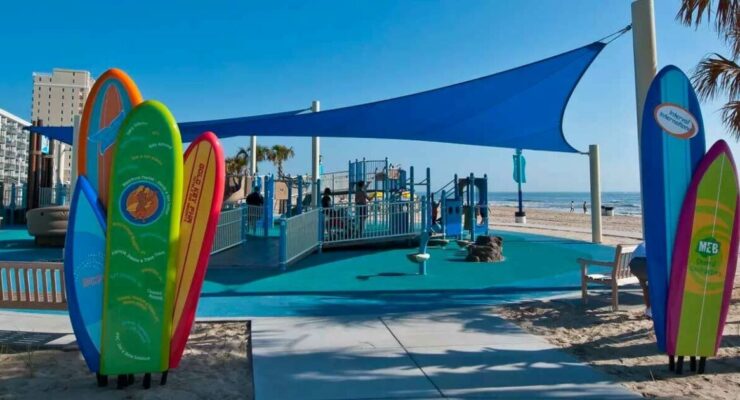
A designated kid-friendly activity zone changes the entire social geometry of a family event.
For property operators who regularly host kid-friendly beach gatherings, a clearly defined children’s area is a vital liability-reduction strategy.
It serves as an excellent staff management tool and guarantees positive family feedback.
Choose a corner of the resort grounds or outdoor venue space that is easily monitored from the primary adult gathering area.
Each year in the United States, more than 200,000 children are treated in emergency departments for playground-related injuries. Selecting age-appropriate play components suited to the venue’s footprint mitigates many of these risks immediately.
Sandy, high-humidity coastal environments are exceptionally hard on traditional playground surfacing, as wood mulch compacts and retains moisture.
To counter this, many resorts are switching to durable rubber mulch for safer playground surfacing from specialized providers like WillyGoat.
This commercial-grade cushioning excels in coastal humidity, delivering consistent fall protection while keeping sharp debris away from barefoot children
| Warning/Important: Don’t overlook playground surfacing in coastal areas. Traditional wood mulch often holds moisture and splinters. Use rubber mulch or synthetic turf to maintain safety standards and keep resort interiors clean from debris. |
3. Improve Wayfinding For Confused Guests
Out-of-town guests sharing a sprawling resort property all tend to generate the same front desk traffic pattern.
By hour two of any group event, staff field constant questions about pool locations and parking lots. It is easy to overlook wayfinding when familiar with a property, but arriving guests do not share that familiarity.
For family groups managing strollers, unclear wayfinding compounds stress quickly.
Map the guest journey from parking lot arrival to event space seat to identify decision points where a guest could feel uncertain.
Tourists spend up to 50% more time exploring destinations when wayfinding signage is clear and effectively placed than when it is not. Install simple, branded signage at parking lot exits, lobby intersections, and outdoor pathway forks.
Differentiate guest-accessible areas from staff-only zones clearly, especially where back-of-house corridors share signage with guest pathways.
For seasonal events, utilize staked outdoor signs and printed directional cards on rope barriers for cost-effective deployment. Pairing physical signage with a digital layer allows a QR code on any sign to open a mobile-friendly property map seamlessly.
4. Install Polished Self-Serve Information Points
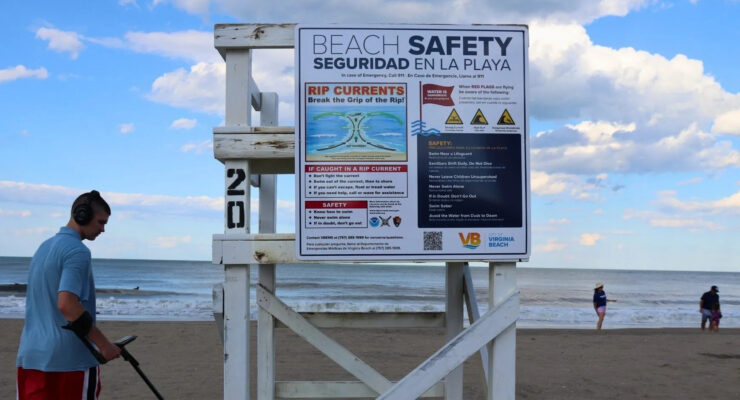
Every hospitality professional who has worked a busy family event weekend knows the rhythm by midday Saturday.
The same questions keep arriving regarding restaurant hours, shuttle schedules, and bonfire add-ons. Each question is reasonable, but collectively they consume staff bandwidth that should be directed toward deeper guest experiences.
Self-serve information points respect both the staff’s capacity and the guests’ preference for autonomy.
Most attendees would rather tap through a screen than wait in line at a desk for simple answers. Identify two or three high-traffic pause points on the property where guests naturally slow down, such as elevator lobbies.
Install an information panel at each point covering local weather, nearby dining recommendations, and activity booking instructions.
Ensure digital installations use secure, commercial enclosures rather than consumer phone stands. This communicates professionalism while preventing device theft or battery depletion during long event weekends.
An oceanfront resort that pilots a mounted information tablet near its pool entrance will quickly notice wait times at the desk drop measurably.
| Key Insight: Self-service kiosks don’t just reduce staff burnout; they cater to modern traveler preferences. Most parents prefer finding answers on a digital display quickly rather than waiting in line at a front desk. |
The Bottom Line
The best coastal family events are not built on catering spreads and centerpiece arrangements alone. They are built on the small operational decisions that guests make before they consciously register them.
The relief of a clear check-in, the ease of finding a safe play corner, and the quiet convenience of answering their own questions all matter deeply.
These touches elevate the entire group vacation experience.
Before the next group booking season, walk the property through a family lens to identify friction points. Note where guests slow down, where kids get restless, and where the front desk team gets overwhelmed.
The answers to those three questions provide a clear upgrade roadmap for any hospitality professional.
Each of these four improvements represents a modest investment with direct returns in the form of better reviews and stronger referrals.
Families who return are the ones who felt like every operational detail had been thoughtfully managed from arrival to departure. That is the standard worth building toward, one operational upgrade at a time.



 Events


