






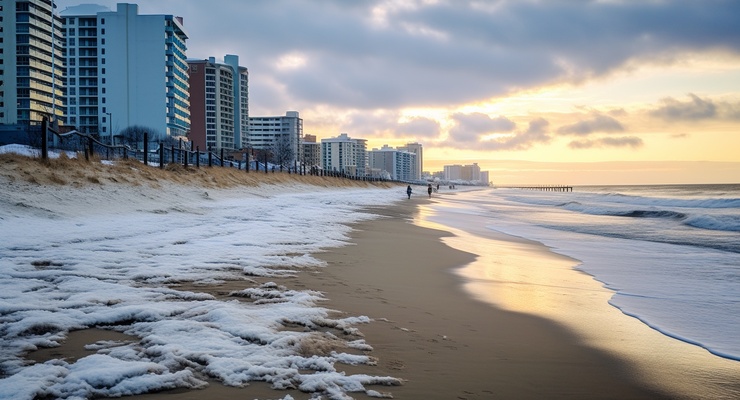
Virginia Beach is known as a summer beach city, but winter is when it quietly becomes something else: calmer, less crowded, and surprisingly good for wildlife experiences. If you want a “big memory” without peak-season chaos, whale watching is one of the smartest winter plans you can make here.
Why winter whale watching works so well in Virginia Beach
Whales don’t show up for the boardwalk lights or the photo spots. They pass through because this stretch of the Atlantic sits along migration routes, and winter is when certain species are most likely to be moving through the area. In practical terms, winter turns whale watching from “maybe, if we get lucky” into “this is worth planning around.”
Winter trips also have more slow hours built in-warm drinks, early nights, and simple downtime between plans. People fill that differently: a book, a long scroll, or something familiar like casino Lab login.
A common misunderstanding is thinking whale season is a neat little calendar event. It’s not. The ocean doesn’t care about weekends. Timing can shift slightly depending on temperature and conditions, which is why locals tend to talk in ranges rather than exact dates. Still, if someone is trying to choose a window without overthinking it, mid-winter is usually the most comfortable bet for seeing activity.
Another reason winter works: the experience itself feels focused. In summer, visitors try to do everything-beach, restaurants, nightlife, day trips-and whale watching becomes “one more thing.” In winter, it can be the main event, and that mindset makes the day better.
What a whale-watching trip actually feels like

Most first-timers imagine a smooth cruise with a whale politely surfacing right beside the boat. Real life is simpler and more honest: brisk air, open water, a guide scanning the horizon, and long stretches of watching that suddenly pay off.
Usually, it’s not dramatic. It’s a clear sign in the distance-a blow, a dark back rolling, a tail that shows for a second-followed by that quick, quiet excitement on the boat when everyone realizes it’s real and not just a wave. Even one or two good sightings can make the whole ride feel like money well spent.
A few things to know so the experience doesn’t catch visitors off guard:
- Tours are weather-dependent. Winter can be beautiful, but the ocean decides what’s safe.
- Sightings aren’t guaranteed. That’s normal for wildlife, and the best operators are upfront about it.
- It can feel colder on the water than on land. Wind changes everything.
Before packing tips, it helps to think of winter whale watching as a short ocean outing, not a casual stroll. Comfort matters because if someone is miserable, they’ll remember the cold more than the whales.
What to bring (so you don’t spend the whole trip thinking about your hands)
A winter boat ride isn’t the time for “I’ll be fine.” These small choices are what separate a fun trip from a “never again.”
- Layers, not bulk. A warm base layer plus a windproof outer layer beats one heavy coat.
- Gloves and a hat. Wind chill is the real issue, not just the temperature.
- The glare off the water can be intense even on cold days.
- A simple motion plan. If you’re prone to motion sickness, treat it like an ocean ride (because it is).
- Phone security. Cold hands and excitement make people clumsy-use a strap or a zip pocket.
Two more practical notes: bring water (people forget in winter), and don’t rely on “cute shoes.” Warm, stable footwear makes standing on deck much easier.
A simple half-day plan for visitors
Whale watching fits nicely into a Virginia Beach winter trip because it doesn’t need a complicated schedule. The best approach is building a comfortable half-day around it and leaving room for the weather to change plans without ruining the day.
Here’s an easy way to structure it:
- Morning or early afternoon tour: Start with the boat ride while energy is high and the day feels open.
- Warm-up stop right after: Plan one indoor place you’re happy to spend time in-an aquarium visit, a museum stop, or even just a long café break. Winter is a lot more enjoyable when you don’t pretend you’ll stay outside all day.
- A relaxed meal: Whale watching works best when the rest of the day isn’t rushed. Give yourself a “slow lunch” or early dinner slot and let the trip land.
If you want the quick decision version, this table keeps it simple:
| If you want… | Choose… | Why it works |
| The most “winter-appropriate” whale trip vibe | A mid-winter weekend | Typically the most reliable part of the season for planning |
| The easiest day flow | Tour + warm-up stop + meal | Comfort stays high even if it’s windy |
| Less stress around logistics | Flexible backup plan | Weather changes are normal in winter |
Small details that improve the day more than people expect
- Book early if you can. Winter tours can fill up on popular weekends.
- Arrive with time to spare. Being rushed makes the whole trip feel harder than it is.
- Keep expectations realistic. A good tour isn’t measured by how many times a whale breaches; it’s measured by whether the day feels well spent.
Final thoughts
Virginia Beach winter travel is at its best when it leans into what the season does well: calmer pace, fewer crowds, and experiences that feel a bit more “special” because they’re not the default summer routine. Whale watching fits that perfectly. Plan it like a short ocean outing, dress for wind, give yourself one warm indoor stop afterward, and you’ll end up with the kind of story people don’t expect from a beach city in January.
https://www.vabeach.com/wp-content/uploads/2024/11/Virginia-Beach-in-the-winter-740×400.jpg
https://www.freepik.com/free-ai-image/humpback-whale-jumping-sea-ai-generative_42742740.htm#fromView=search&page=1&position=11&uuid=155ea770-3429-4506-82c2-68ae3948360b&query=whale+sea




 Events


