





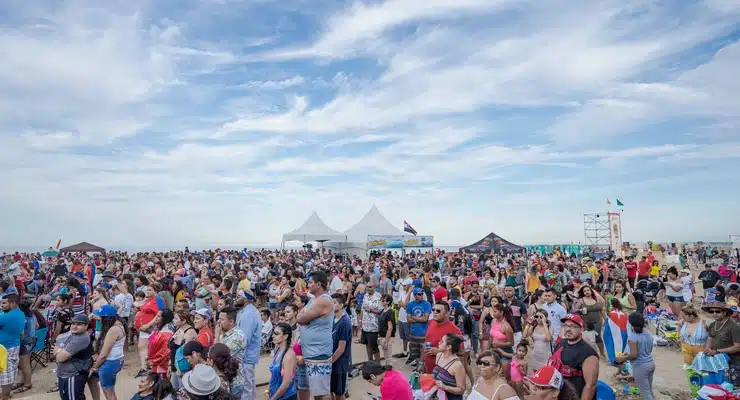
There’s something special about an oceanfront gathering.
The air feels lighter, the horizon stretches wide, and the sound of waves turns even an ordinary meal into an experience.
Whether it’s a food truck lineup, a local festival, or a beach wedding reception, good food completes the moment.
But no one wants guests leaving with upset stomachs or health complaints.
So let’s walk through simple, proven food safety steps that keep the atmosphere bright, the plates clean, and your event reputation intact.
1. Smart Time & Temperature Control
Salt air and sun make beachside meals taste better, you bet. But they also speed up how fast food spoils. Heat shifts fast near the water, so keep coolers closed tight and use thermometers often.
Food should stay below 41 degrees or above 135, no middle ground. Place prep tables under shade, rotate trays often, and trust your timer more than your gut.
2. Get Quality Hot–Cold Holding Equipment
Crowds expect their shrimp tacos sizzling and their fruit cups chilled. Warm salads or lukewarm desserts quickly ruin the vibe.
But it’s not just for the taste and flavor. Good holding gear keeps food at safe, consistent temps even under coastal humidity.
Get armed with insulated carriers, gastronorm pans, and beverage dispensers built for outdoor service. Hosting food service for an upcoming beachside event means one thing. It might be time to start checking out cambros for sale online, or options that provide similar superior-quality containers.
3. Handle Ice Safely
Nothing melts faster than clean ice under seaside heat. Quick melting turns harmless cubes into risky puddles if handled carelessly.
Use dedicated scoops, never hands, to avoid unseen germs transfer. Keep scoops stored upright in a clean container, never left sitting inside the bin. Also, cover ice bins fully and lift lids only when serving. These, alongside keeping meltwater drained, prevent bacteria growth.
4. Set Handwashing Stations
Sand and seafood make a messy pair, and clean hands matter more than ever. A simple setup with running water, soap, and paper towels keeps bacteria from spreading. Place stations near prep zones and rest areas. Workers must wash often, especially after handling raw foods. Personal hygiene is not optional; it protects everyone.
5. Stop Cross Contact
Seafood, nuts, and sauces can quietly trigger allergic reactions. Even one drop from a shared spoon can cause trouble.
Use separate utensils and color-coded boards for:
- Raw,
- Cooked,
- And allergen foods.
Change gloves often. Wipe counters between tasks, and keep allergen-free trays covered. Small separations here prevent serious health risks later.
6. Label Everything Clearly
Again, some people have common but sometimes serious food allergies. Clear labeling keeps them safe and confident about what they eat.
Consider waterproof tags or sealed stickers that can handle moisture and salt air.
Mark:
- Allergens if any
- Prep times
- And ingredients.
Simple words printed boldly save confusion and protect every guest’s comfort.
7. Stage Transport Smartly
Beach traffic, uneven ground, salty wind – these can make moving food tricky. That’s where covered carts or enclosed carriers come in handy. They shield meals from dust and sand.
Also, keep hot trays separate from cold ones to hold temperature longer. Plan delivery routes ahead since shaded, shorter paths keep freshness and timing on your side.
Oceanfront events deserve good memories, not health scares. Food safety builds trust and comfort under the open sky. When every tray, cooler, and label gets proper care, guests leave with smiles, not symptoms – and that’s real success!




 Events


