






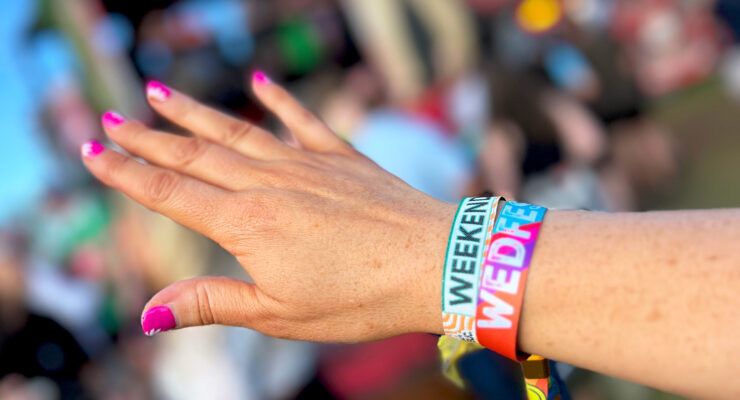
Virginia Beach turns into one long outdoor celebration once the weather warms up. The Neptune Festival fills more than 30 blocks of the boardwalk. The Boardwalk Art Show draws artists from across the country. Fireworks light up the Atlantic almost every summer weekend, and live bands play on stages up and down the sand from May through September. For visitors, it all feels effortless. You show up, find a spot on the sand, and enjoy the show without a second thought.
But behind every one of these events, someone is quietly making sure the right people get in, the wrong people don’t, and nobody gets stuck at a gate for twenty minutes while a band is about to start. That quiet work is what actually keeps a beach town this busy from turning into a mess.
The Entry Problem Nobody Talks About
Here’s something most travel guides never mention. When an event draws tens of thousands of people to a stretch of oceanfront, the hardest part isn’t the music or the food trucks. It’s figuring out, in seconds, who belongs where. Staff need to move past security without a hassle. Vendors need to get their trucks to the right spot before doors open. VIP guests want to skip the general line. And volunteers need something on hand that proves they’re actually supposed to be behind that rope.
Smaller Hampton Roads organizers often try to handle this with a stack of paper badges printed the night before. That works fine indoors, in an office or a hotel ballroom. On the beach, it falls apart fast. Salt air curls the paper, humidity smears the ink, and rain turns a badge into pulp within an hour. This is exactly why so many event teams have shifted toward proper event pass printing, since durable, weatherproof credentials hold up through a full day of sun, wind, and the occasional passing shower. A badge that survives the whole event means fewer arguments at the gate and a lot less scrambling to replace lost or ruined passes halfway through the afternoon.
Why Virginia Beach Events Are Harder to Manage Than They Look
Most cities don’t have to plan around sand, tides, and salt spray. Virginia Beach does. A festival footprint here often stretches across multiple stages, several blocks of boardwalk, and a beach that shifts a little with the wind and the tide each day. That means organizers can’t rely on just one entrance the way an indoor venue might. They need multiple checkpoints, clear signage, and a system that lets security tell a real staff badge from a fake one at a glance, even from a distance and even in bright afternoon sun.
If you want a sense of just how packed the calendar gets, the line-up of festivals and concerts each year covers everything from sand sculpting championships to reggae festivals to holiday light shows, often with several events overlapping on the same weekend. Each one brings its own crowd size, its own layout, and its own headaches for whoever is running the show. A wine festival at Neptune’s Park needs a different setup than a sand soccer tournament near Rudee Inlet. Multiply that by a full summer of events, and it becomes pretty clear why credentialing and crowd flow deserve more attention than they usually get from first-time organizers.
Simple Advice If You’re Planning a Local Event
If you’re organizing something smaller, maybe a block party, a church fundraiser, or a business grand opening near the oceanfront, you don’t need a massive security team to keep things running well. A few simple habits go a long way. Color-code your badges by role so security can tell staff from guests in half a second, without having to stop and ask. Set up more than one entry point so people aren’t all funneled through a single narrow gap in a growing crowd. And stagger arrival times when you can, instead of letting everyone show up at the exact same moment.
These ideas aren’t unique to Virginia Beach. Anyone digging into festival logistics on a broader scale will find the same core lessons over and over again: plan your layout before you plan your lineup, communicate clearly with your whole team ahead of time, and never assume people will naturally figure out where to go on their own. The events that feel effortless to attendees are almost always the ones where someone thought through every entrance, every badge, and every bottleneck weeks in advance, not the night before.
So next time you’re standing in a fast-moving line at the Neptune Festival, or breezing past a gate at a summer concert on the boardwalk, take a second to notice the badge on the volunteer’s lanyard or the wristband on the staff member checking IDs. It’s a small detail, but it’s doing a lot of quiet work to make sure your day at the beach stays fun instead of frustrating. Good planning really is invisible when it’s done right, and honestly, that’s exactly the point of doing it well in the first place.




 Events


