






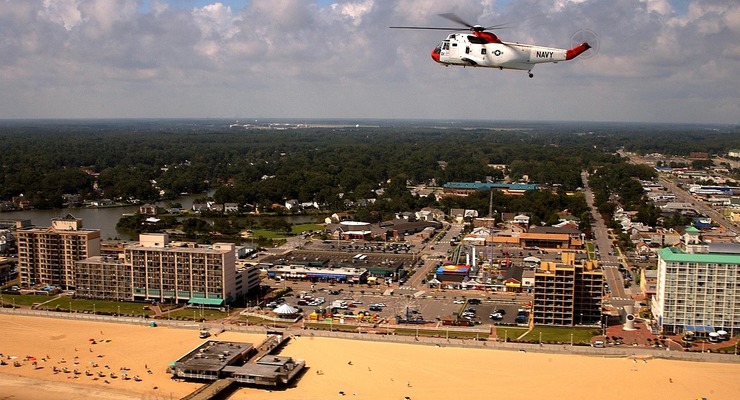
Virginia Beach is a favorite among tourists for a reason. The Virginia Beach Convention & Visitors Bureau shared new findings from its latest economic impact study, showing continued momentum in the local tourism economy during 2024. The area welcomed 14.3 million visitors, marking steady growth from the previous year. Visitor spending rose by 2 percent, totaling $2.6 billion, and when indirect and induced effects were included, tourism contributed an overall economic impact of $3.9 billion.
Short trips to Virginia Beach tend to start with a sentence like, “We could just go this weekend.” No long countdown. No spreadsheets. No grand itinerary. Just a couple of days, a weather check, and a quick look at the calendar. This simplicity changes everything, including how money gets planned. Or more accurately, how money stops being planned in the traditional sense and starts being managed in real time.
A weekend at the beach compresses decision-making. Meals, lodging, activities, and travel all happen fast, often within forty-eight hours. There’s no long runway to save, research, or fine-tune a budget. Instead, travelers lean on readiness. They want access, flexibility, and the ability to say yes without doing mental math every five minutes. Short trips turn money planning into something closer to improvisation than strategy.
Quick Access
Nothing boosts last-minute travel confidence like knowing money is easy to reach. Short trips reward people who can check balances quickly, move funds without delay, and pay without friction. When plans come together on a Thursday night for a Friday departure, there’s no patience for waiting on transfers or wondering whether a card will clear.
Personal banking is the perfect solution to this kind of travel. Easy mobile access, quick transfers, and clear spending visibility remove hesitation. Travelers feel more relaxed knowing they can move money as needed rather than locking themselves into a fixed amount ahead of time. This ease changes behavior. People commit to trips faster, worry less about small purchases, and focus more on enjoying the experience than tracking every dollar.
Cash Readiness
Short trips replace long-term savings with short-term readiness. Instead of setting aside funds weeks in advance, travelers think in terms of “Do I have enough available right now?” The planning window is so tight that money becomes about immediacy rather than accumulation.
This mindset affects how people allocate funds during the week leading up to a trip. Spending pauses briefly. A little extra stays untouched. The goal isn’t saving for months ahead, but creating breathing room for the weekend. Cash readiness becomes a temporary state rather than a long-term habit. Once the trip ends, normal patterns resume just as quickly.
Flexible Budgets
Rigid budgets don’t survive short trips very well. Plans change too fast, plus weather shifts. A boardwalk stop turns into an extra hour. A quick coffee turns into lunch with a view. Travelers expect variation and allow room for it.
Instead of strict categories, people work with loose boundaries. They know roughly what they want to spend, but leave space for spontaneity. This flexibility reduces friction. There’s no guilt over a surprise expense because the budget already expected surprises.
Lodging Windows
Short trips often mean booking accommodations closer to arrival. That changes how people think about value. Price matters, but timing matters more. Availability, location, and ease of check-in take priority over finding the perfect deal.
Travelers adjust expectations accordingly. They accept that last-minute bookings may cost a little extra, and they factor that into overall spending without stress. The trade-off feels fair because the trip itself wasn’t planned far in advance. Money planning adapts to speed. Comfort and convenience take center stage.
Convenience Spending
Short trips amplify convenience-based spending. Parking close to the beach, grabbing food without waiting, and choosing quicker routes all start to feel worth it when time is limited. People spend slightly more to avoid delays because the trip is already short.
This type of spending feels intentional rather than careless. Travelers know they’re paying for ease. The goal isn’t stretching dollars, but stretching enjoyment into a tight schedule. Convenience becomes part of the experience rather than a budgeting flaw.
Meal Patterns
Meals on short trips don’t follow a plan. They follow opportunity. A late breakfast becomes brunch. Snacks replace sit-down meals. Dinner happens wherever it looks good when hunger hits.
Spending follows that rhythm. There’s less emphasis on saving through planning and more focus on enjoying what fits the moment. Food becomes part of the adventure rather than a scheduled expense.
Weekend Cash Flow
Weekend trips have a funny way of colliding with real-life money timing. Paydays, bills, and automatic withdrawals do not pause just because a beach trip pops up. This reality shapes how people think about spending on short Virginia Beach getaways. Instead of planning far ahead, travelers look closely at what their cash flow looks like right now.
Besides, awareness changes behavior. People may schedule the trip to line up with income timing or hold back slightly earlier in the week. The goal is not perfect balance, but comfort. Knowing that spending will not create friction once Monday hits makes the weekend feel easier. Short trips highlight how closely travel plans and everyday cash flow are connected.
Time-Based Trade-Offs
Short trips turn time into the most valuable currency. With only a couple of days at the beach, people make spending decisions based on what saves minutes rather than money. A closer parking spot, a faster route, or skipping a long wait all start to feel worthwhile.
Such trade-offs happen quickly and without much debate. Travelers understand that the trip is short, so they lean into choices that maximize experience. Money becomes a tool for smoothing the schedule rather than stretching it.
Monitoring on the Go
Even relaxed weekends involve quick check-ins. A glance at a balance. A notification about a charge. A moment of reassurance that everything looks fine. Short trips encourage casual monitoring rather than detailed tracking.
This habit supports peace of mind. Travelers don’t want to calculate totals or log expenses. They just want to know that nothing unexpected is happening. Quick visibility keeps the trip enjoyable without pulling attention away from the experience.
Short trips to Virginia Beach reshape money planning by changing the rules entirely. There’s no long buildup, no extended forecasting, and no rigid structure. Everything happens in a compressed window where access, flexibility, and timing matter more than precision. Money becomes something that supports spontaneity rather than controlling it. Travelers rely on readiness instead of preparation, convenience instead of optimization, and awareness instead of strict budgeting. The trip feels lighter because the planning is lighter. Expenses come and go quickly, and life resumes without disruption.




 Events


