






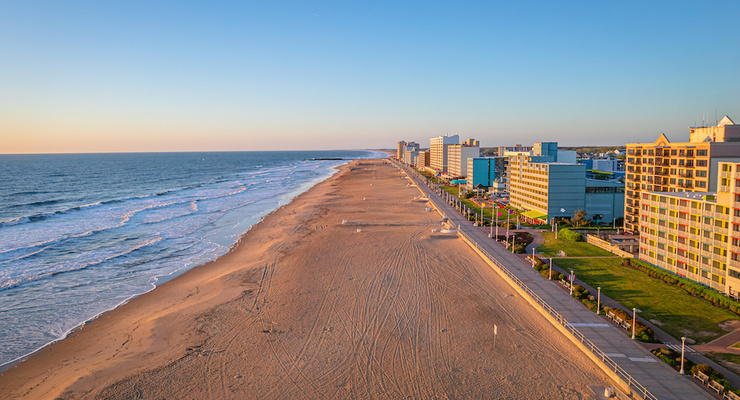
It’s interesting how quickly our idea of “the perfect place to live” can change. For a long time, coastal cities were mostly destinations — somewhere to escape to for a few warm days, eat seafood, maybe unplug for a while. But lately, people aren’t just visiting these places. They’re trying to build their lives there. And as more folks explore this idea, you can even see it reflected in the searches they make — things like FastExpert top real estate agents in Virginia Beach, or guides to coastal neighborhoods, or comparisons between inland and waterfront towns. Small signals, but they tell a bigger story.
Part of this shift comes from a simple truth: a lot of people are tired. Tired of endless commuting, tired of noise, tired of feeling as if their home is just a place to sleep. The coast gives something different. The air feels lighter. The days stretch differently. Even routine moments — taking a walk, grabbing a coffee — somehow feel calmer when they’re framed by water.
Remote work only sped this up. The moment people realized they could do their job from anywhere, the question changed from “Where do I have to be?” to “Where would I actually enjoy being?” And once that door opened, coastal cities suddenly climbed to the top of the list.
The New Appeal: Space, Air, and a Slower Rhythm
Ask someone why they moved to a coastal town, and the answer is rarely complicated. They wanted room to breathe. They wanted mornings that didn’t feel rushed before they even began. They wanted to be closer to nature, not hours away from it.
The ocean does something to people. Maybe it’s the sound. Maybe it’s the routine of waves coming and going. Or maybe it’s just the reminder that the world is bigger than the problems we stack on our desks. Whatever it is, it shifts your state of mind.
Families feel it. Remote workers feel it. Even retirees say they sleep better near the water. And these small changes — better sleep, calmer days, the feeling of being less boxed-in — eventually convince people that coastal living isn’t just pretty. It’s healthier.
Why Remote Workers Are Staying for Good
Before remote work, moving to the coast meant leaving opportunities behind. Now it’s the opposite. People can bring their careers with them, so they choose places that make their daily life feel less draining.
This freedom has turned many “maybe one day” dreams into actual decisions. And when people seriously start exploring a move, they dig through dozens of online sources, comparing cities, reading local guides, sometimes even checking things like the best real estate agent in Winchester, just to get a sense of what different regions offer. When you’re searching for where to root your life, you look at everything.
Affordability and the Quiet Rise of Smaller Coastal Towns
Not every coastal city is a luxury postcard. Many smaller seaside towns are surprisingly affordable, especially compared to large inland metros where housing prices have spiraled out of reach. These smaller coastal areas have become the sweet spot for people who want a calmer life without sacrificing practicality.
Young families like them because the pace is gentler. Remote workers like them because they feel less crowded. Retirees like them because they offer the lifestyle benefits of the coast without the heavy financial burden. And because these towns attract such a mix of people, they grow steadily — not through forced development, but through natural, lived-in momentum.
The Emotional Pull of the Coast
Talk to someone who moved to a coastal area, and you’ll notice something: they rarely talk only about the house or the neighborhoods. They talk about how they feel there.
The ocean becomes part of their routine. Not in a grand, cinematic way — more like small rituals. A morning walk. A quiet moment at sunset. Even errands feel different when the air smells like salt instead of exhaust.
This emotional component might sound subtle, but it’s powerful. It’s one of the biggest reasons people end up staying longer than they planned.
Small Communities With Big Character
Another reason coastal living is gaining traction is the rise of small communities that people once overlooked. These towns aren’t trying to be “the next big thing.” They just have their own rhythm — farmers markets, quirky cafés, weekend festivals — and people respond to that authenticity.
Life feels less anonymous. You bump into the same people. Businesses know their regulars. Kids play outside more. And after years of fast-paced city living, that simplicity feels like luxury.
Stronger Coastal Infrastructure Gives People Confidence
Yes, coastal regions face environmental challenges, but they’ve also invested heavily in infrastructure, planning, and resilience. Cities are upgrading drainage systems, reinforcing shorelines, improving zoning, and building smarter. These changes help potential residents feel more secure about long-term living near the water.
A Lifestyle That Feels Like a Better Version of Life
In the end, people choose coastal cities not just because they’re beautiful — though that helps — but because life near the water feels more aligned with the things many people value today: health, time, space, balance, connection.
Coastal living isn’t a vacation fantasy anymore. It’s the answer to a question people are asking themselves more honestly: What kind of life do I actually want to live?
And increasingly, the coast feels like the right reply.



 Events


